Build a vinyl-floor routine from the maker’s care guide
Use the exact flooring instructions to choose dry collection, damp cleaning and suitable products.
Updated:
Confirm which vinyl floor you have
Begin with the flooring brand and range, not just the word vinyl. Keep the installer paperwork or product packaging where you can retrieve it when selecting cleaners. The official care instructions may distinguish between routine cleaning, finishing products and methods that should not be used.
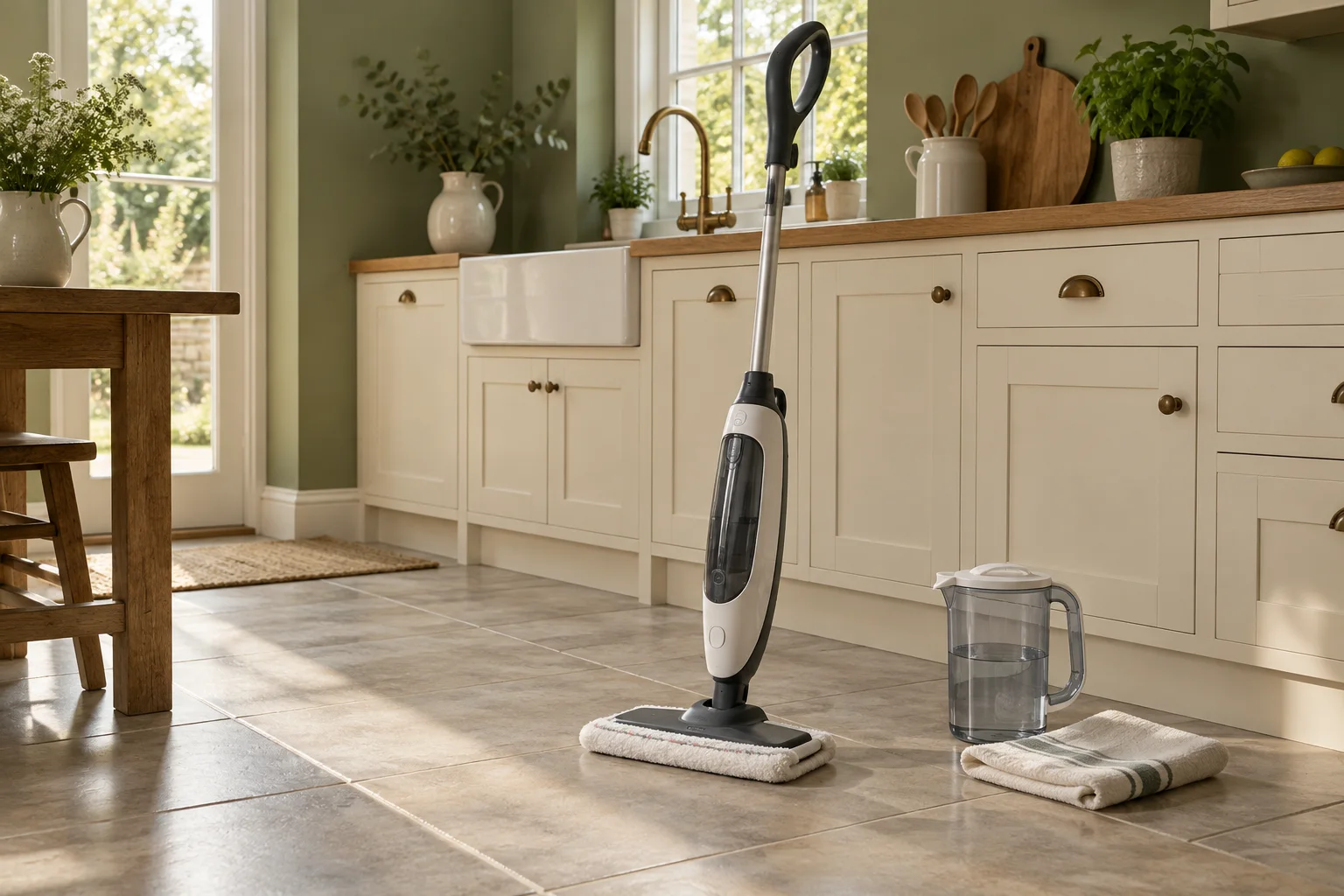
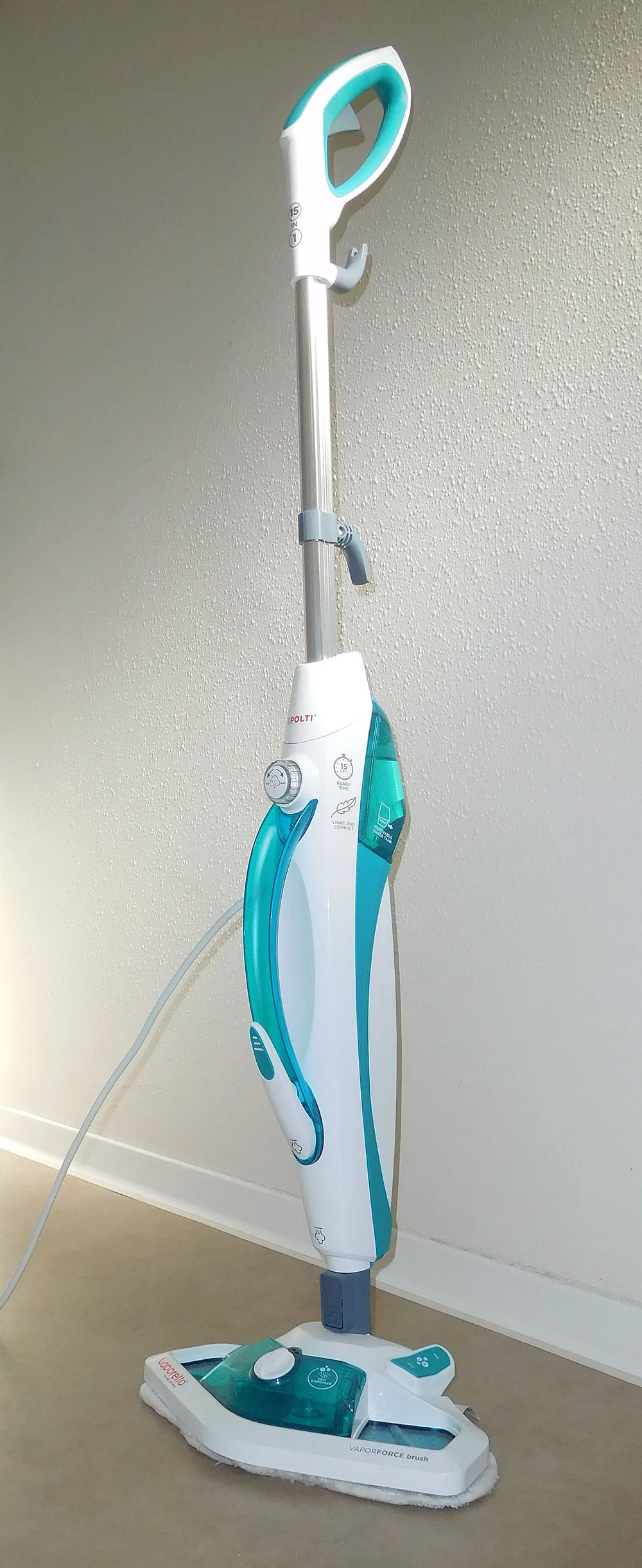
Karndean's UK guidance provides a useful specific example: it does not recommend steam cleaning its floors. That restriction should guide owners of a floor covered by the advice. It should not be turned into an unsupported statement about every vinyl product. For a different manufacturer, obtain that manufacturer's applicable instructions and use them to make the decision.
Karndean UK: floor-care questions ?
Separate the dry and damp stages
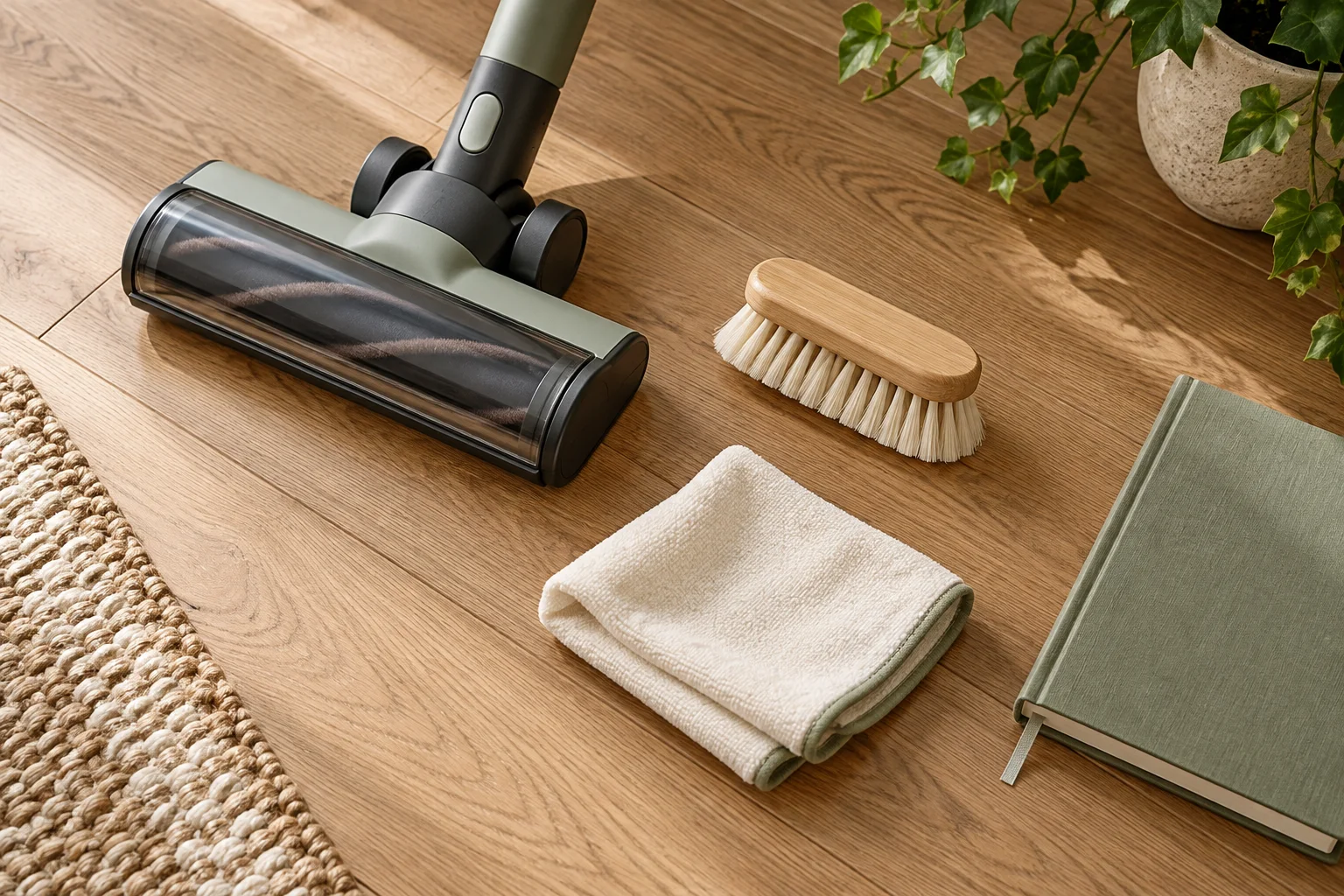
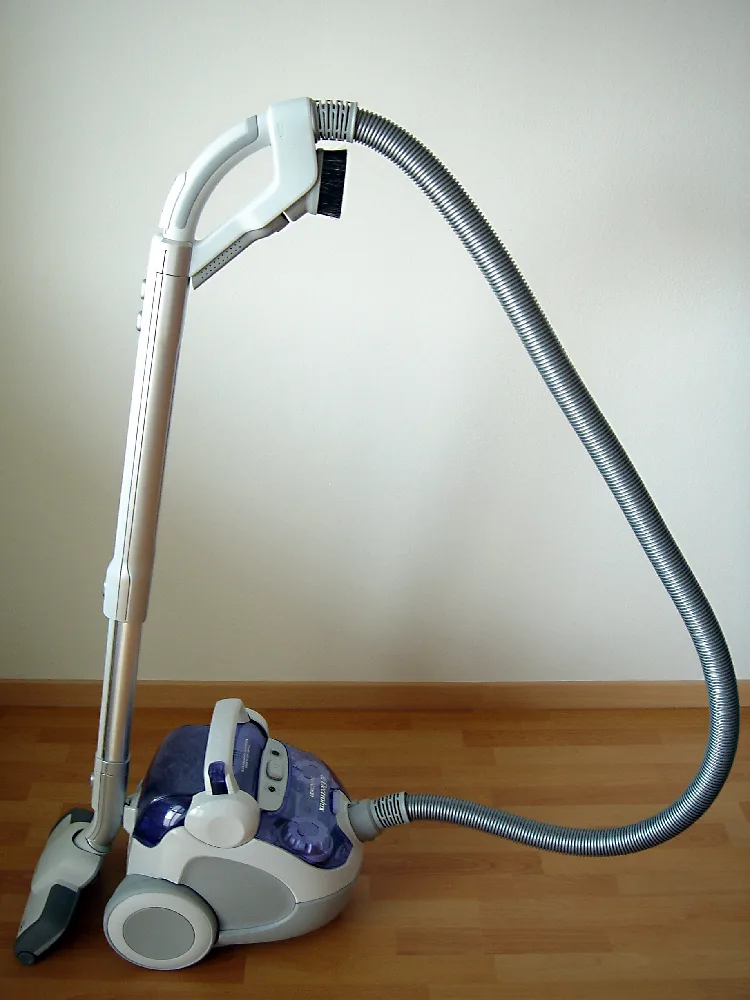
Write down the method you will use for loose debris and the method permitted for subsequent cleaning. Check any vacuum head against the floor and appliance guidance rather than assuming that a hard-floor label resolves every detail. A floorhead photograph identifies a tool shape, not a compatibility certificate.
Keep the permitted cleaning product and mixing instructions with the floor record. Do not improvise a stronger solution because a surface appears dirty. This article does not supply a universal dilution ratio: the correct ratio belongs to the specified product instructions. Likewise, a steam mop is not an interchangeable alternative simply because both methods involve water.
Karndean UK: floor-care questions ?
Measure the actual routine, not the whole property
For a hypothetical kitchen measuring 4 metres by 3 metres, the gross area is 12 square metres. If fixed units occupy 4 square metres, the accessible area is 8 square metres. This is a planning sketch, not a recommendation about how much liquid to apply or how long a floor should remain damp.
Measure your reachable space and note awkward edges separately. A small area with several corners may take longer than a larger open rectangle. Use the area to organise the job rather than turning it into a guaranteed cleaning speed. Keep the manufacturer's care method unchanged when adapting the household schedule.

Allow time to prepare and put things away
Assume moving chairs and collecting loose objects takes 4 minutes, the permitted cleaning routine takes 9 minutes, and caring for the equipment takes 3 minutes. The total is 16 minutes. At two sessions in an assumed week, that becomes 32 minutes, excluding any waiting time required by the floor or product instructions.
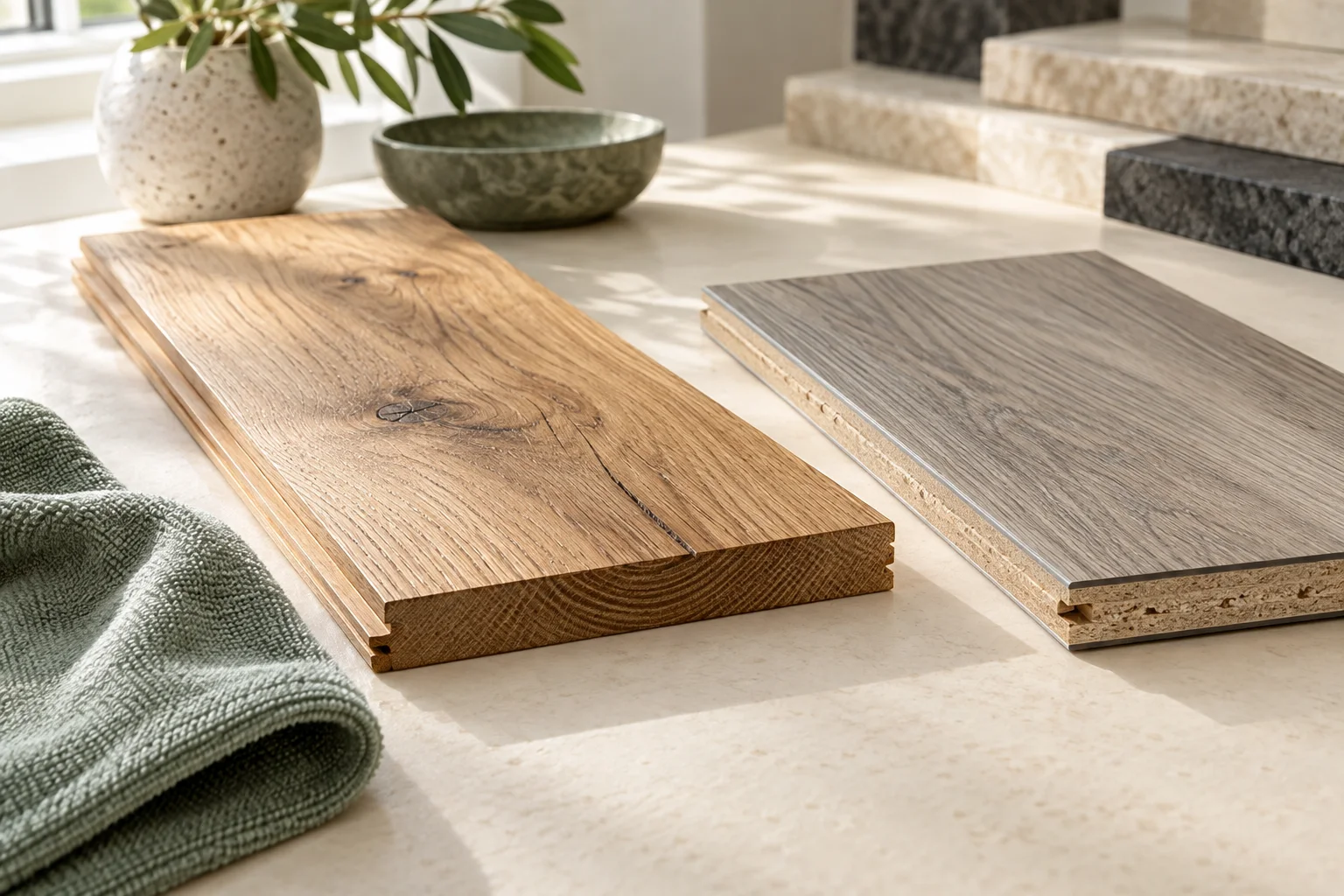
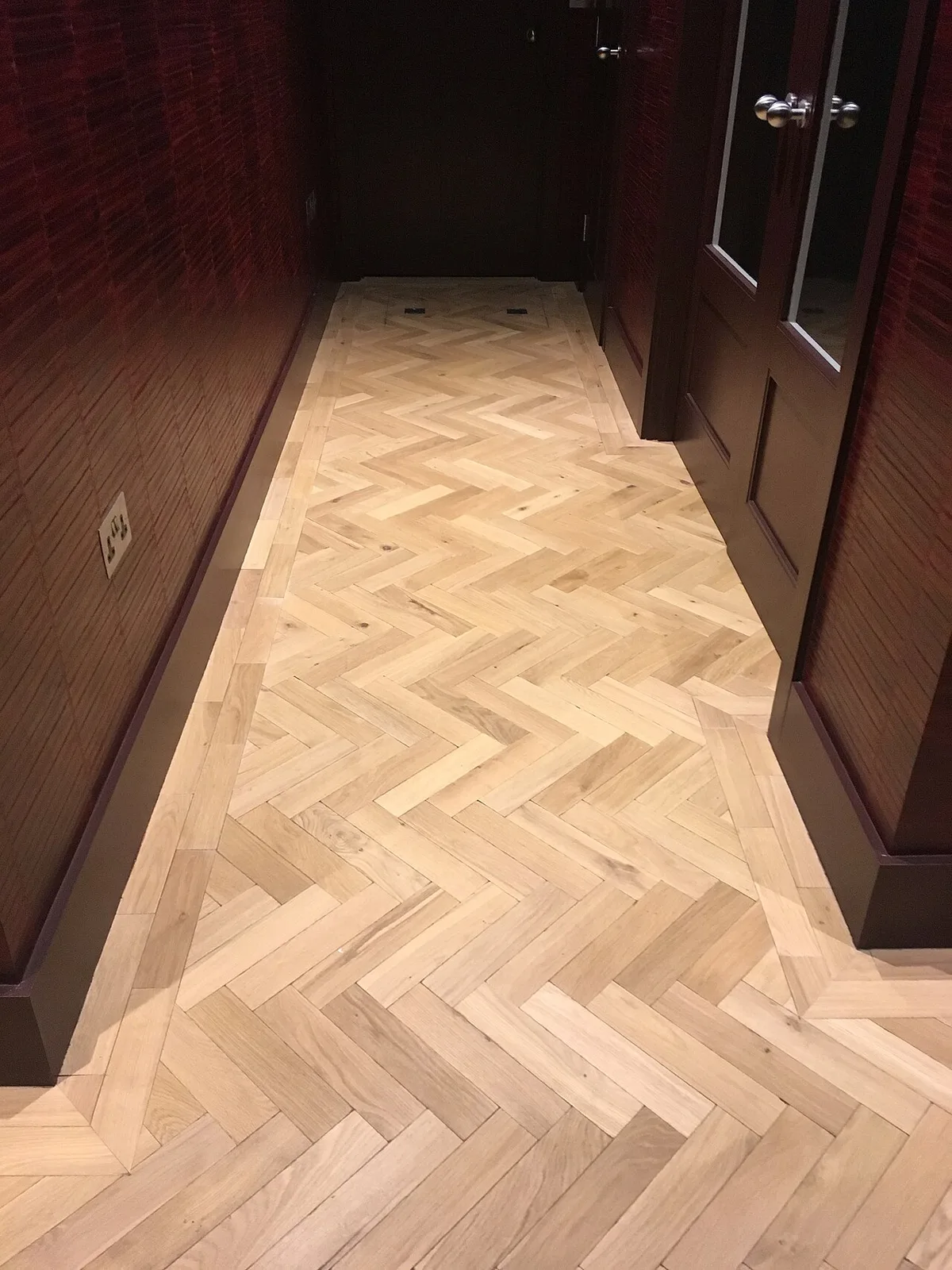
These values are examples for comparing household routines. Replace them with your own observations and do not infer a recommended frequency from the arithmetic. Keep other floor types outside this estimate. The parquet photograph is a reminder that a wood-look surface elsewhere in the home may have a different construction and care requirement.

Make the instructions easy for someone else to follow
Store a short floor-care note with the product name, official link and the permitted routine. Clearly state a known restriction such as no steam where it applies. Avoid abbreviations that another household member might interpret as permission to use any general cleaner.
When buying a new appliance, check that its useful functions align with the approved method. A feature that the floor maker does not permit should not influence the purchase as a benefit. Recheck the note after a floor replacement or change in treatment, and keep the earlier version clearly marked so it is not followed by mistake.