Choose a cleaner for your floorplan, not the longest feature list
Build a UK cleaning-appliance shortlist from floor materials, accessible space and the jobs a machine will actually perform.
Updated:
Begin with three different cleaning jobs
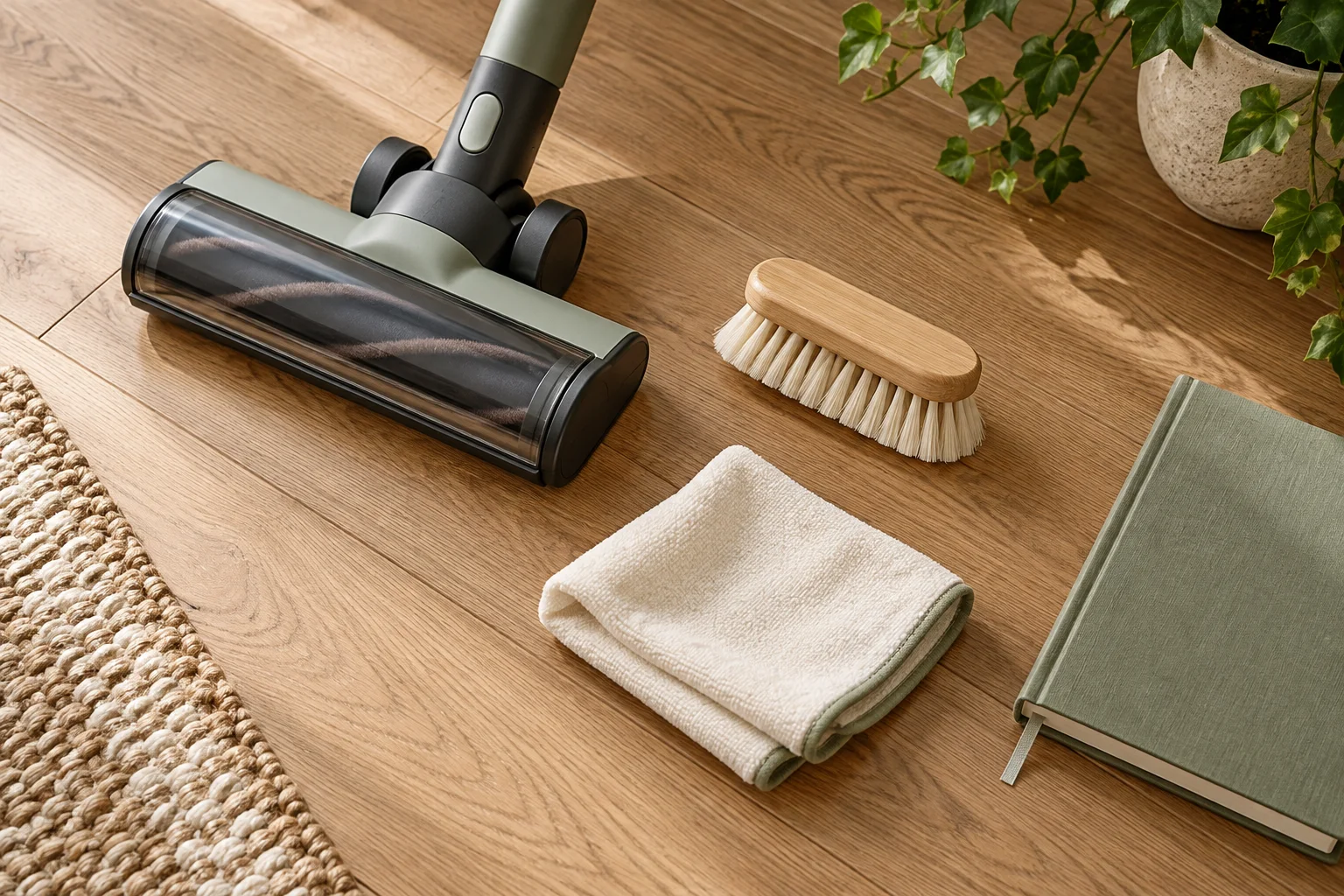
For a UK household, the right starting point is the job: collecting loose dirt, wiping an approved hard surface, or cleaning an awkward area by hand. A robot vacuum, a conventional vacuum and a steam mop should not be treated as three interchangeable answers to the same question. List the surfaces and tasks before comparing any machine specifications.
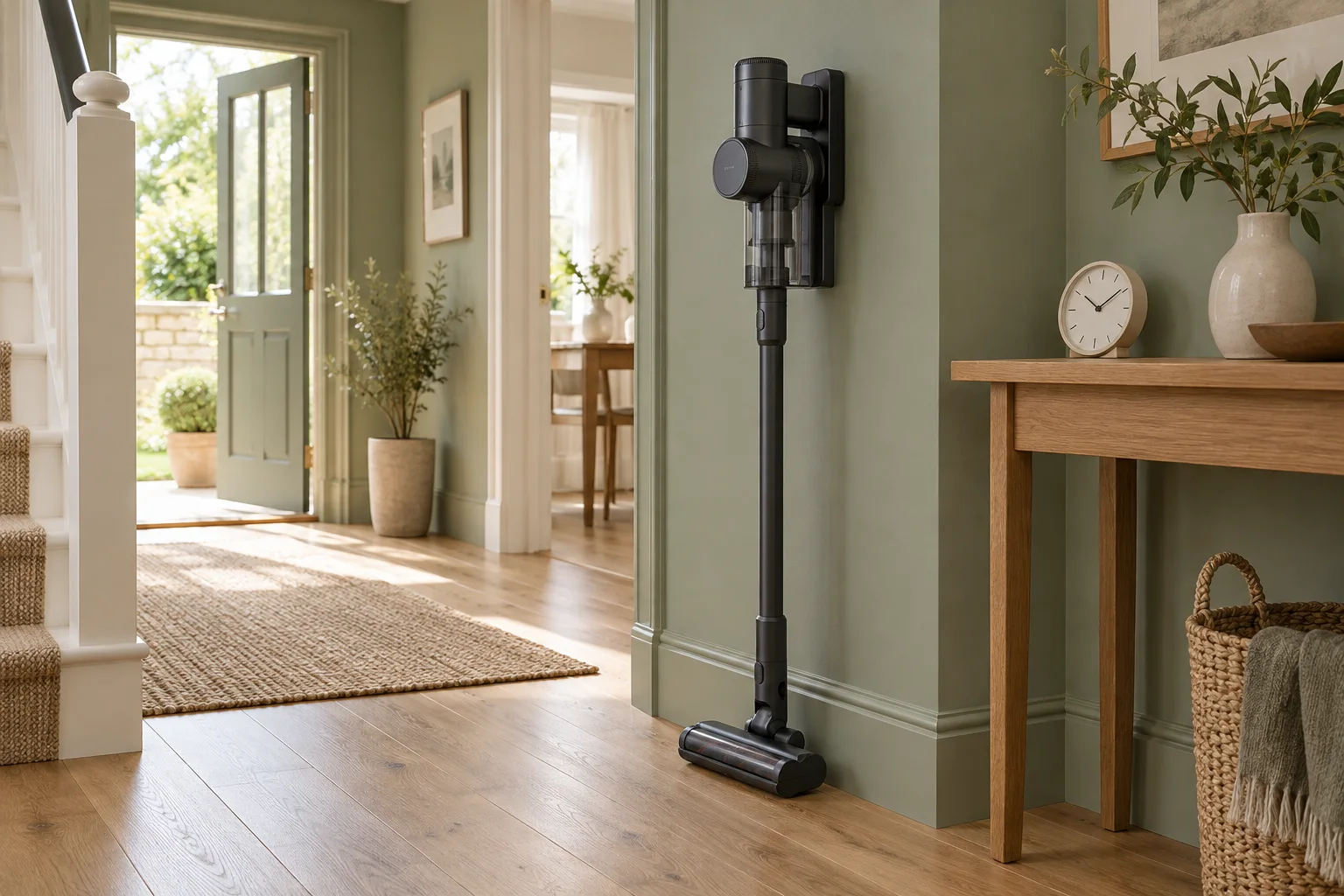
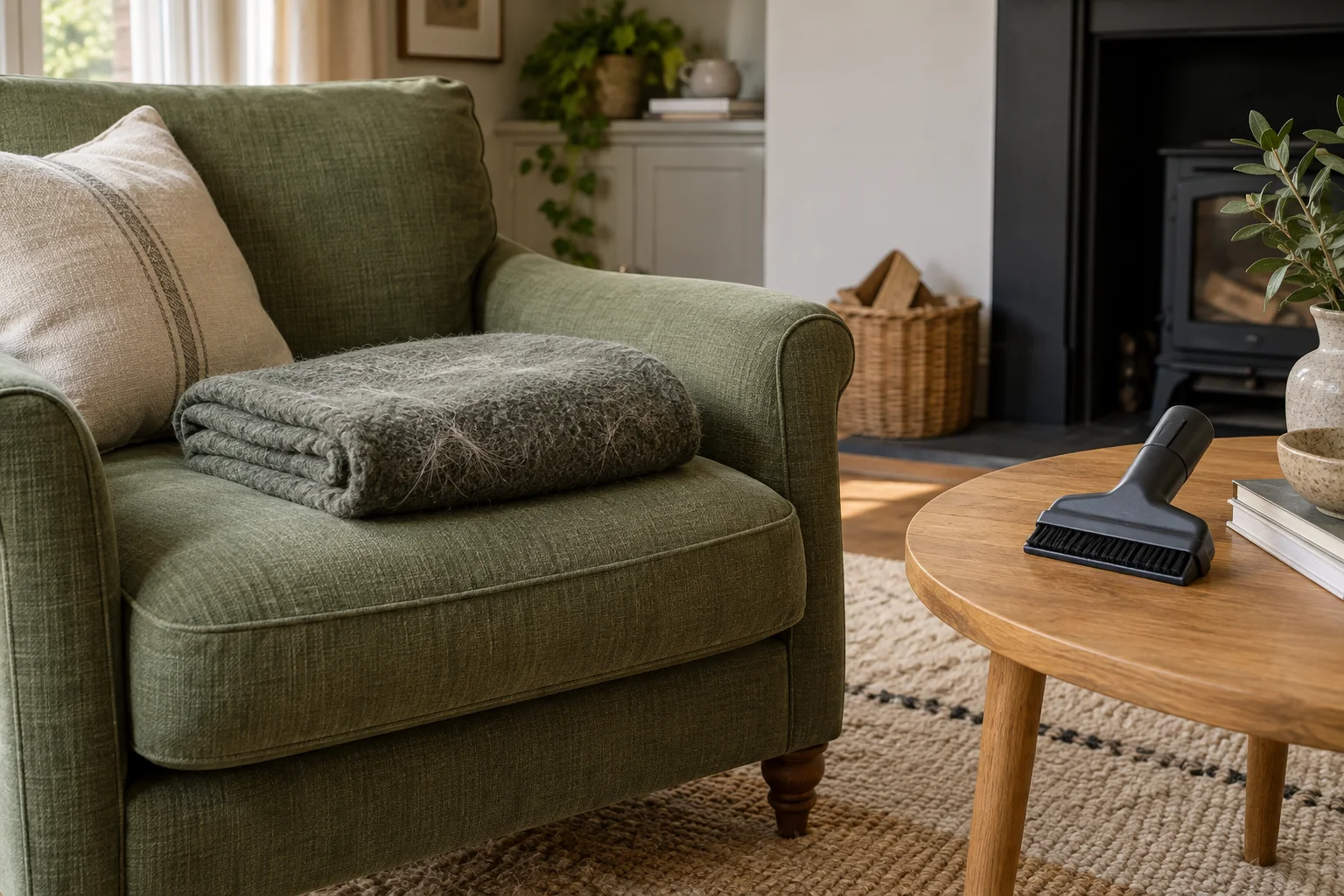
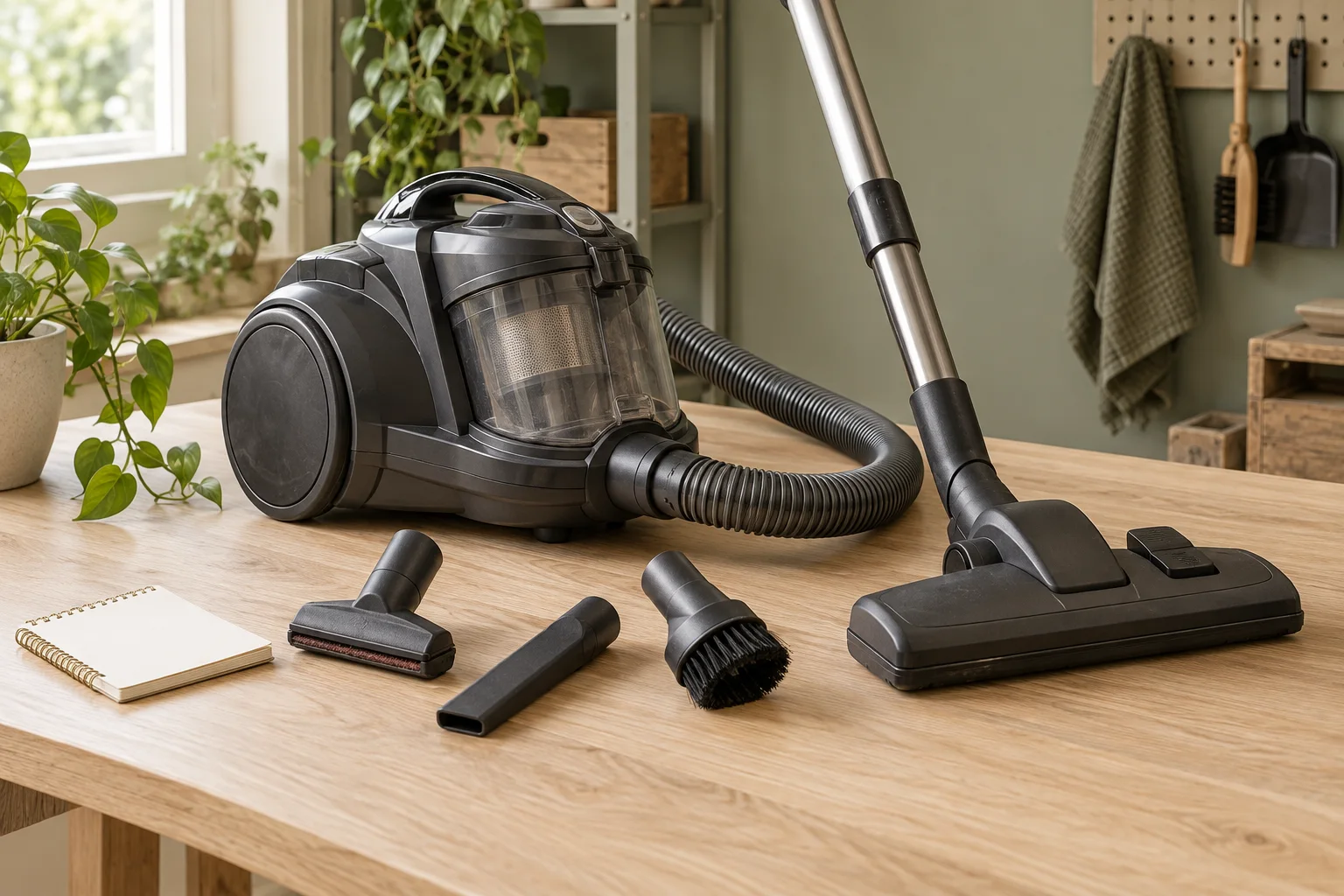
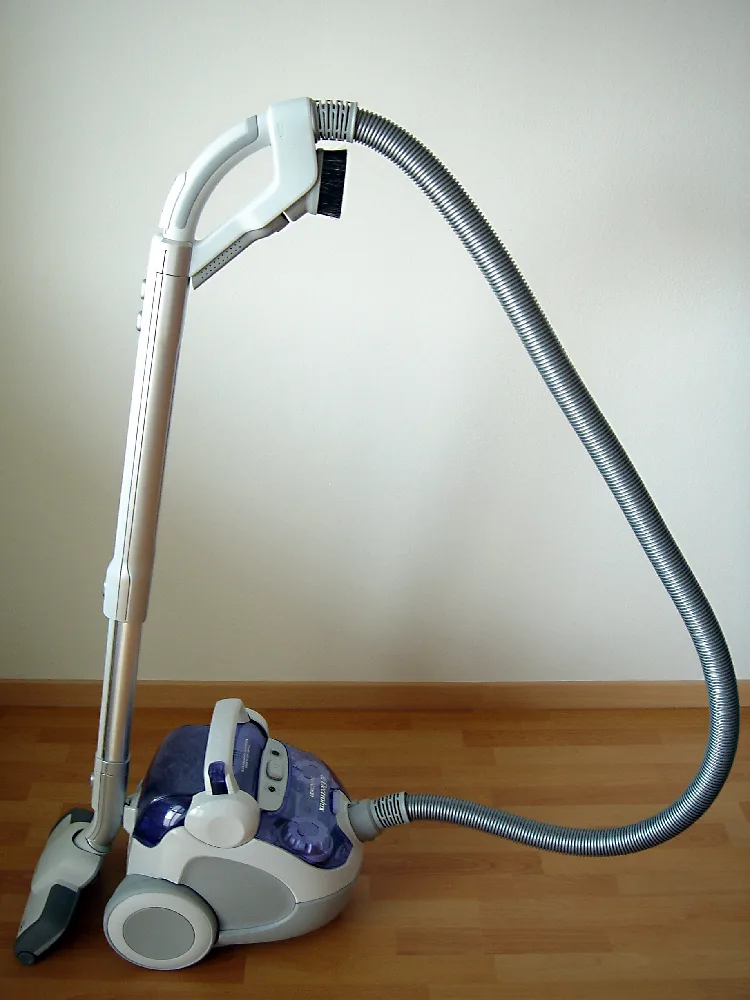
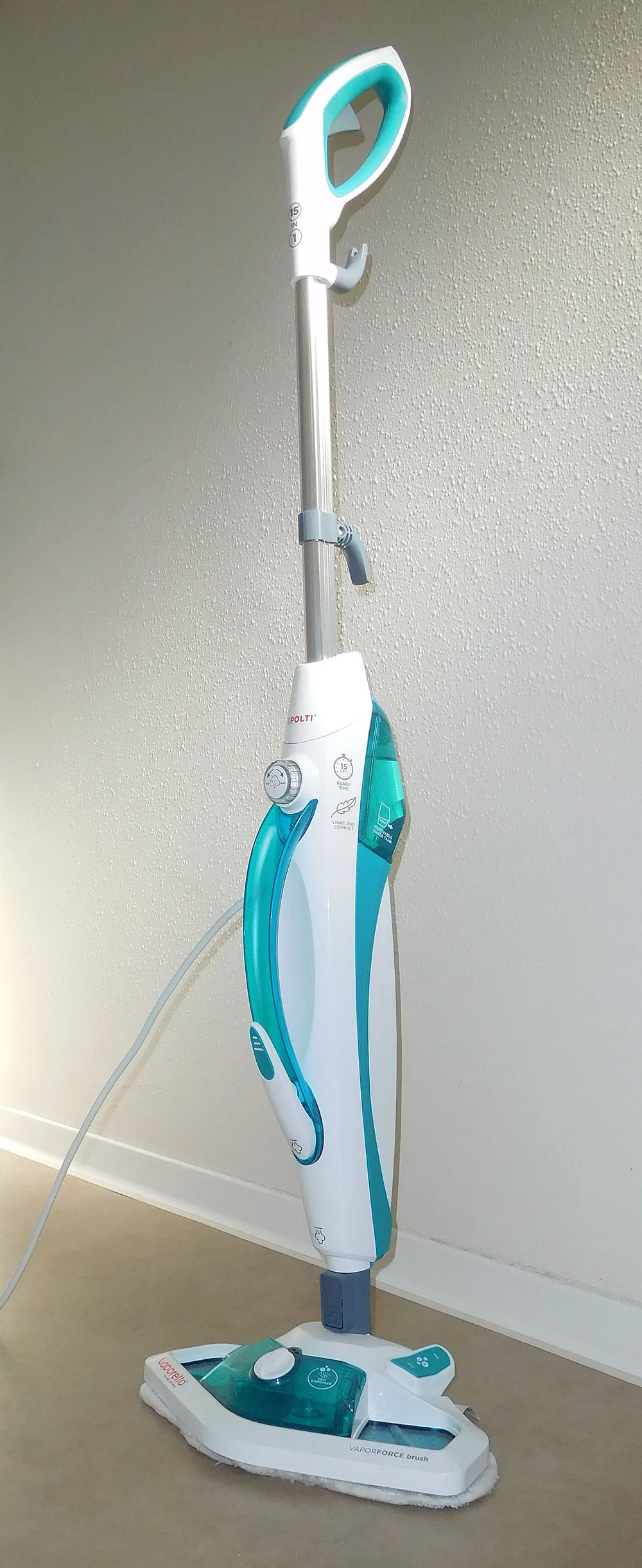
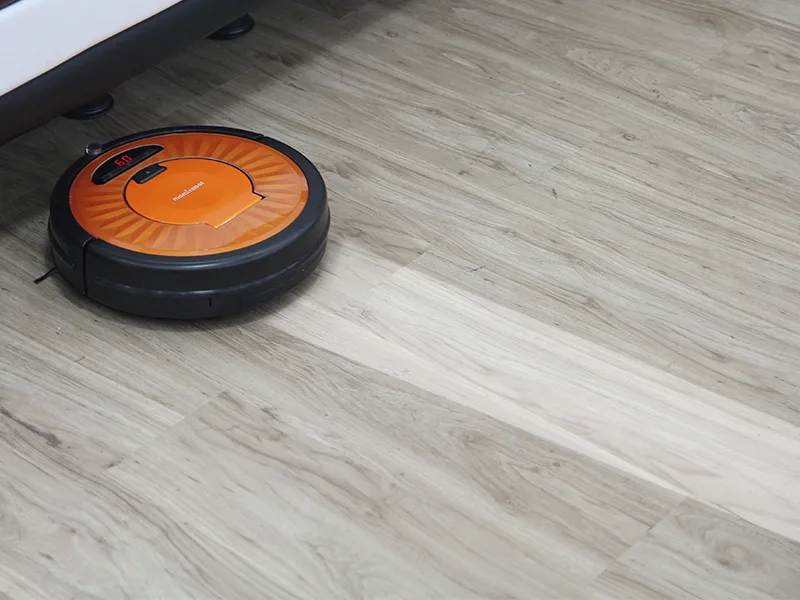
Use one row for each room. Record the floor material, loose rugs, furniture, stairs and the kind of debris you normally encounter. Add a separate row for upholstery or high surfaces if those tasks matter. The historical equipment photographs below show different physical arrangements, not a ranking or a claim that we have tested the illustrated products.
Let the flooring instructions rule out unsuitable methods
A wood-like appearance is not enough to identify a floor or decide whether steam is appropriate. The construction and surface treatment matter. Kärcher's UK explanation distinguishes wood, laminate and their finishes, while the flooring manufacturer's own care instructions remain the relevant check for your installed floor.
One concrete exception is Karndean: its UK guidance does not recommend a steam mop or cleaner on its floors. That prevents a general “hard floors” label from becoming blanket permission. Record the flooring brand and range where known. If the floor is unidentified, keep wet or steam compatibility unresolved rather than trying a new appliance simply because the surface looks robust.
Karndean UK: floor-care questions ? Kärcher UK: parquet and laminate care ?
Measure the area a machine can reach
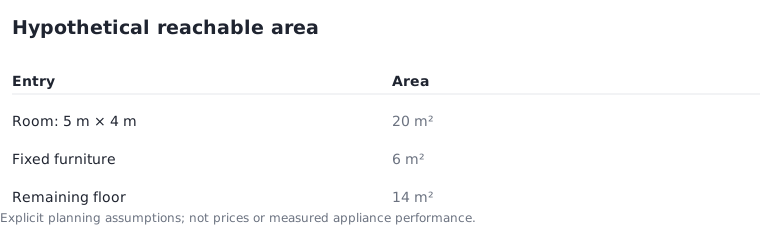
The property size on a listing is not necessarily the floor area a cleaner can access. In a hypothetical room measuring 5 metres by 4 metres, the gross area is 20 square metres. If fixed furniture occupies 6 square metres, the remaining area is 14 square metres. That subtraction is a planning estimate, not a prediction of how quickly a robot will clean it.
Repeat the exercise for the rooms you expect to clean in one session, keeping inaccessible spaces separate from spaces reached only after moving furniture. Note door thresholds and stairs as route questions rather than merely adding them to the total. A machine may suit the available area yet fail the intended route between rooms; both conditions belong on the shortlist.
Separate the purchase price from the usable setup
Build a comparable cost list containing the appliance, any necessary attachments and the consumables you expect to buy. Match replacement parts to the exact model rather than buying a bag or filter because it resembles one in a photograph. Miele's UK finder illustrates a model-specific way to identify compatible bags and filters.
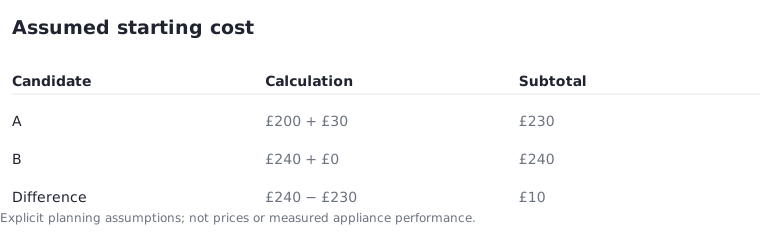
For a deliberately assumed comparison, machine A costs £200 and requires £30 of necessary accessories, giving a £230 starting subtotal. Machine B costs £240 with those accessories included, giving £240. A is £10 lower under those assumptions, before any extra delivery or running costs. That result is useful only if both machines satisfy the same floors and tasks.
Miele UK: model-specific bag and filter finder ?
Finish with a shortlist you can explain
Keep the two candidates that meet the essential conditions and write one sentence about the job each will perform. Then identify what you will still do manually: stairs, corners, spills or furniture preparation. An automated floor routine can still involve human work, and a small manual cleaner can be a sensible complement rather than evidence that the main appliance failed.
Before purchasing, retrieve the exact model manual, check the relevant flooring instructions and save the seller's description of included equipment. Use the linked official care information as a starting point, not a substitute for your own floor identification. Your final choice should have a defined purpose, a workable route, a storage location and a visible cost calculation.