Choose pet-hair tools by surface and upkeep
Compare the places you clean, attachment compatibility and recurring brush care without relying on a product label.
Updated:
Map the surfaces where the job occurs
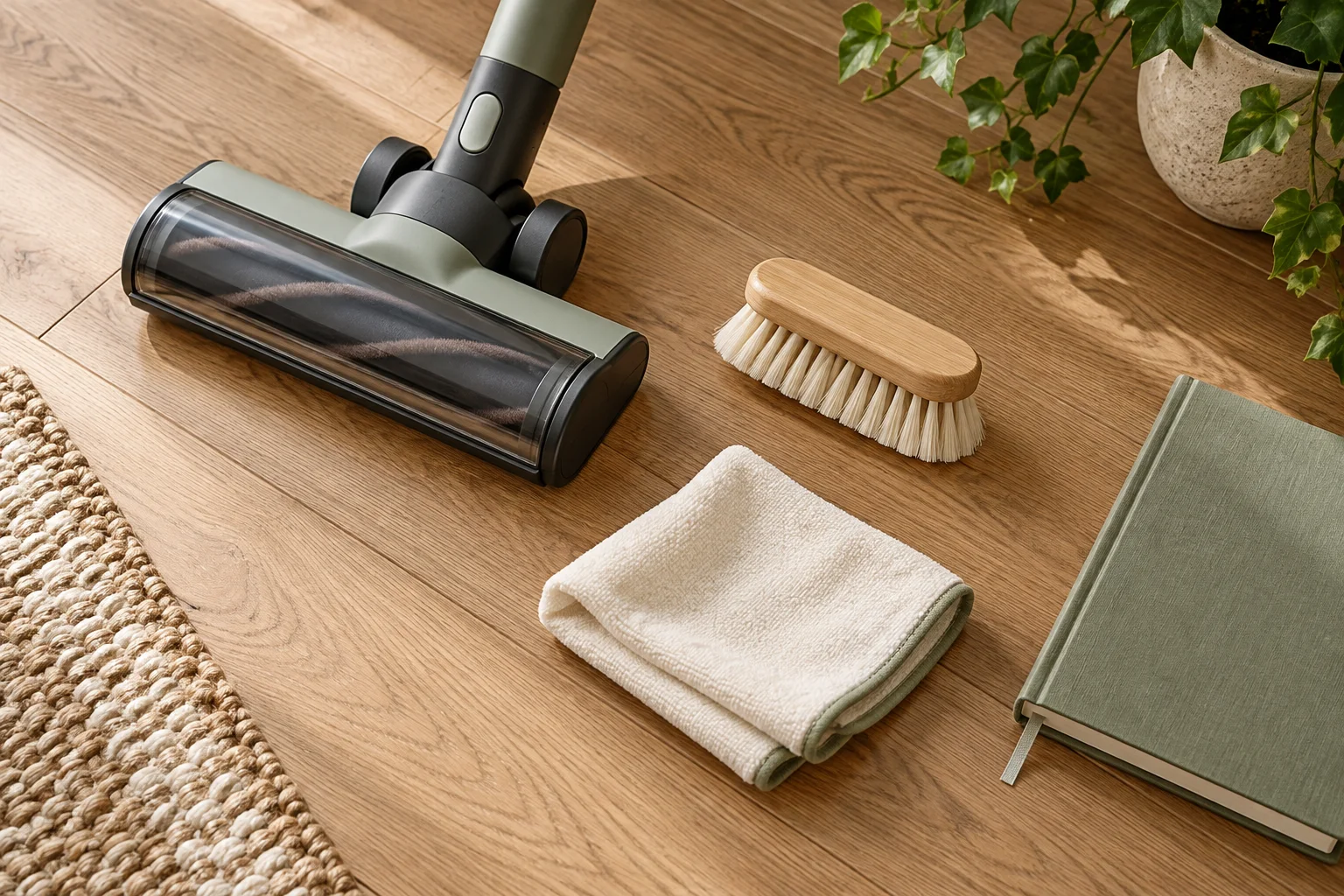
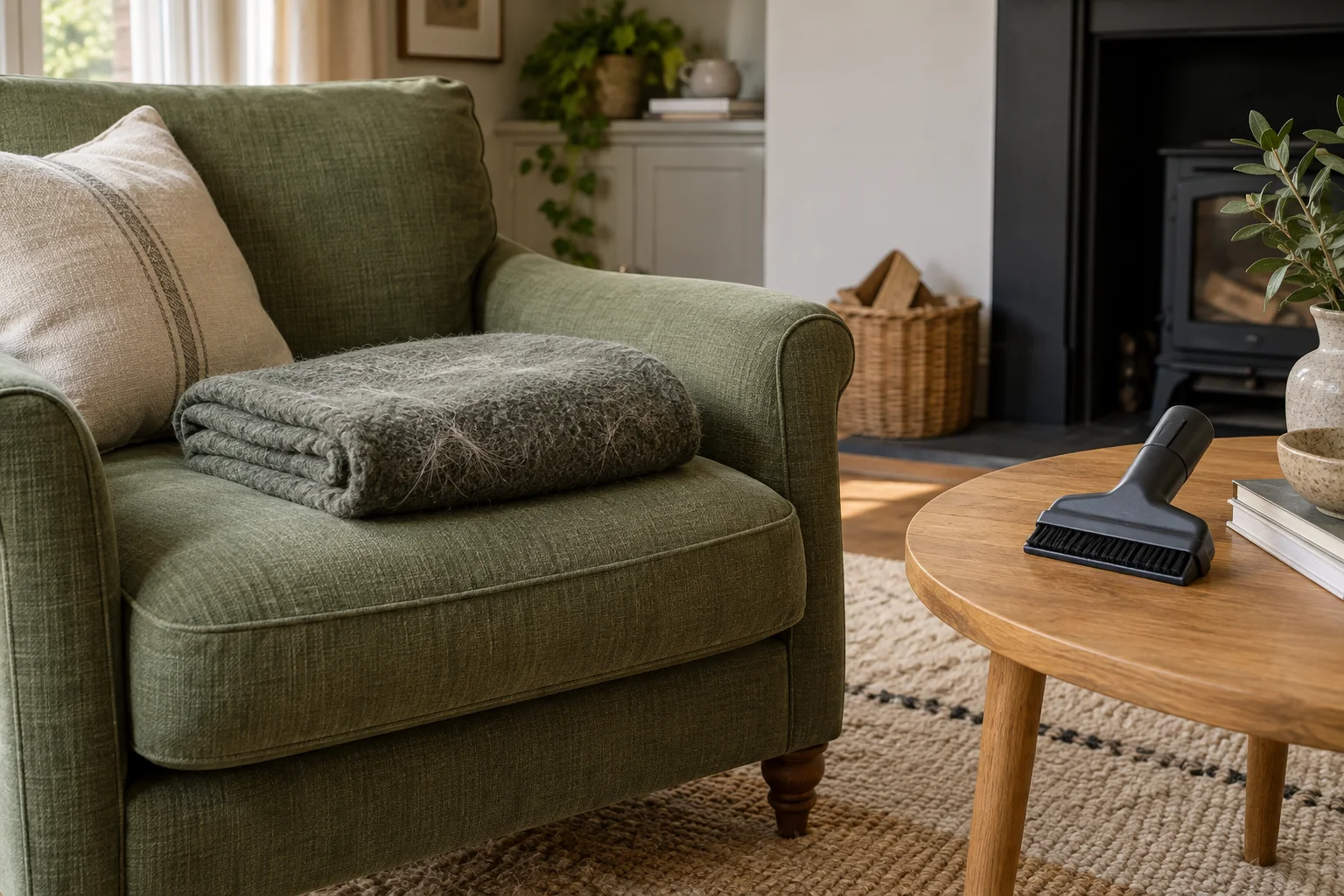
A pet-oriented product name does not identify the surfaces you need to clean. List the floor coverings, upholstery and awkward edges where you actually find hair. Keep each surface's care instructions in view. A tool suitable for one material should not automatically be used on another simply because the debris looks the same.
Separate routine loose-hair collection from other kinds of mess. Use the appliance only for the materials and conditions its instructions permit. This guide compares household tasks and maintenance; it does not make an allergy, hygiene or health claim. The relevant question is whether the selected setup fits your surfaces and the routine you can maintain.
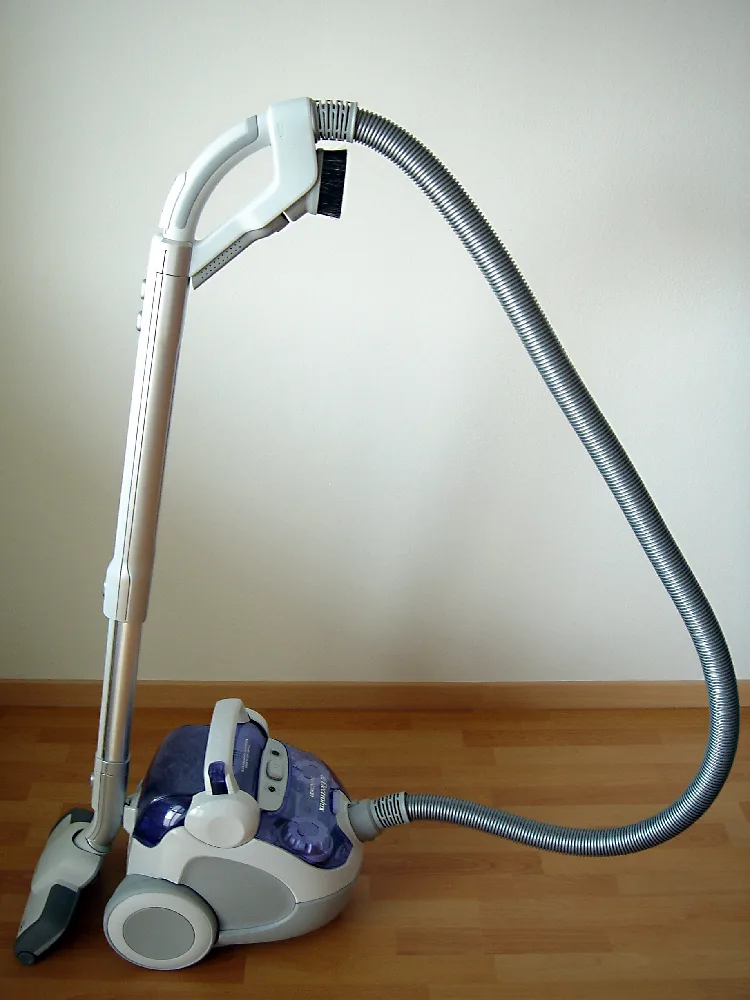
Check the attachment as carefully as the machine
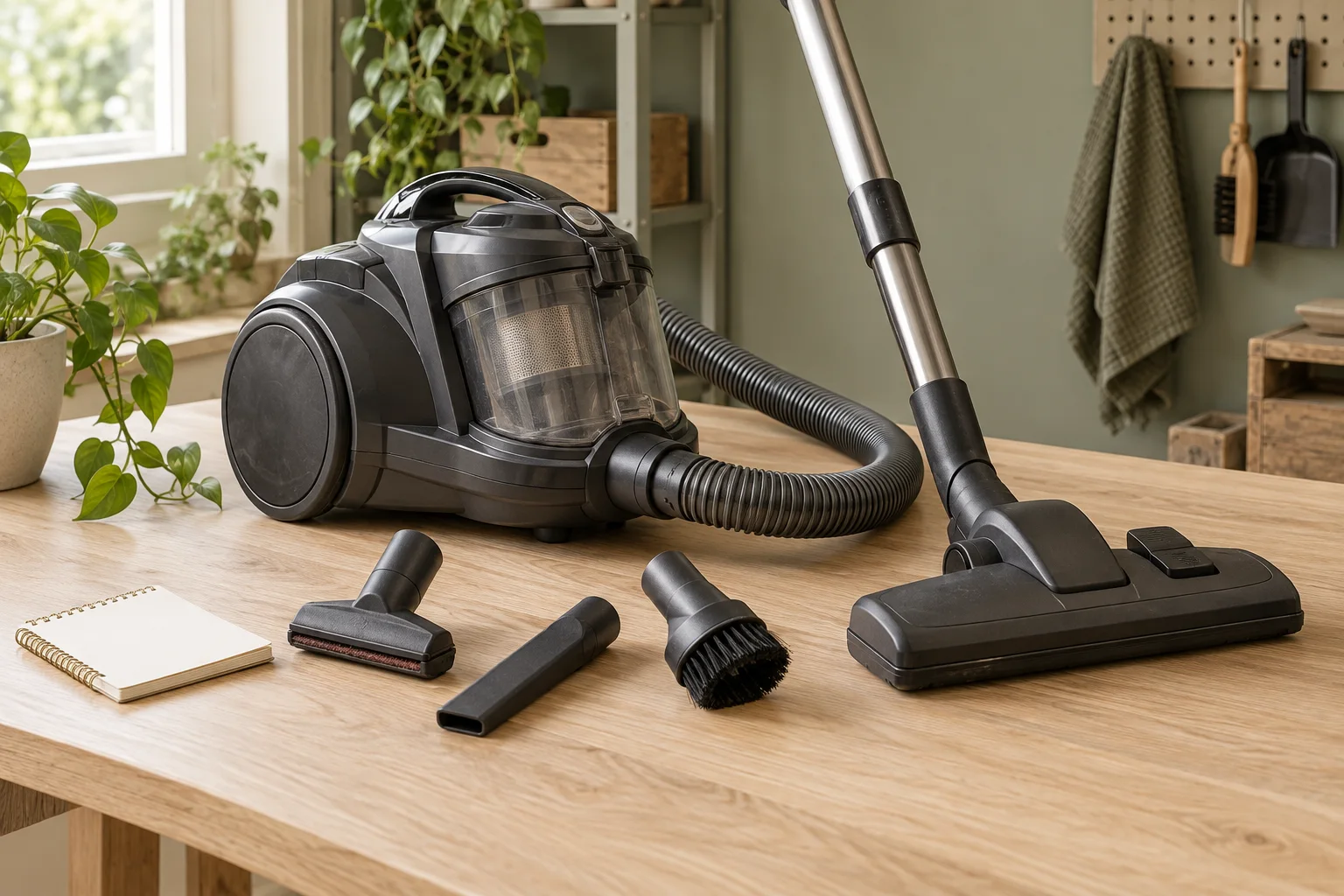
Look at the exact tool included in the package and the compatible surfaces described in its documentation. Confirm whether the attachment you want is included, optional or incompatible with the candidate model. A similar connector in a photograph is not enough evidence to order it.
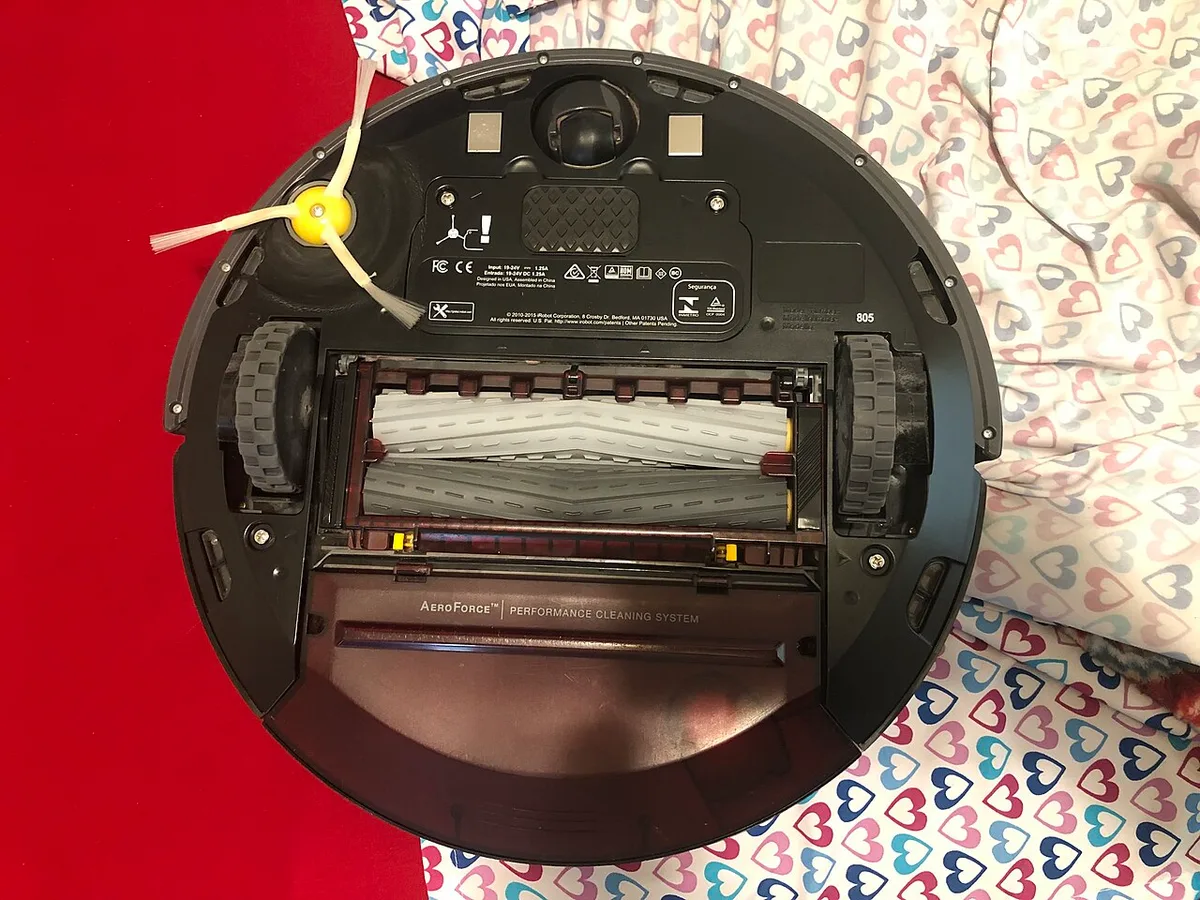
The historical robot underside shows several brushes and moving components close to the floor. It helps locate the areas an owner may need to inspect, but it does not establish how a current model handles hair. Avoid treating an anti-tangle feature name as proof that no maintenance will be needed. Read the actual user-care instructions before comparing convenience.
Price the usable package
Assume one candidate costs £180 and the necessary compatible attachment costs another £35. Its usable starting total is £215. A second assumed package costs £230 with the required attachment included. The difference is £15 before any unmatched delivery or consumables costs.
These figures are illustrative and do not represent live offers. Use checked prices for the precise configurations you are considering. If a cheaper package cannot use the tool required for your surface, it is not an equivalent alternative. Record what remains to be cleaned manually rather than counting every attachment as a useful extra.

Include brush and filter work in the decision
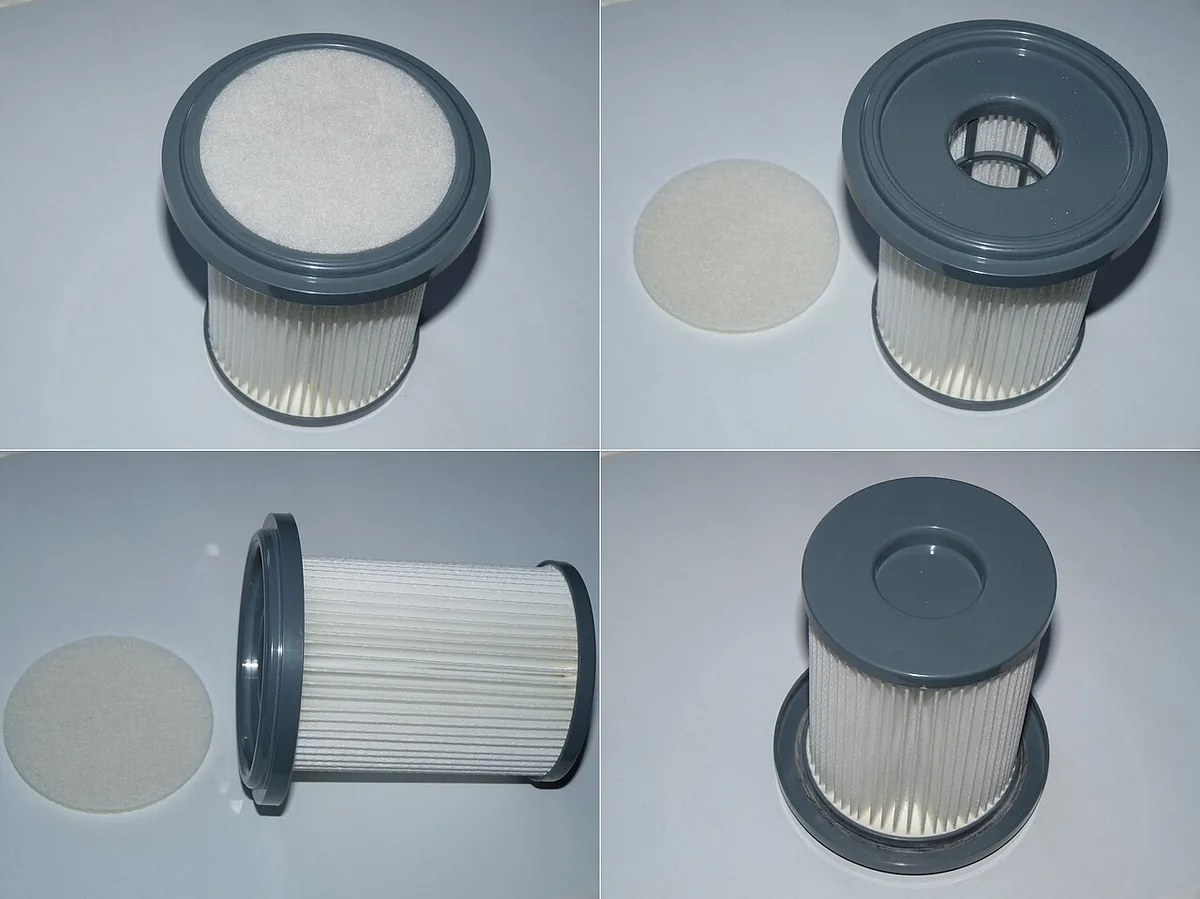
Dyson's general care guide treats brushes and filters as separate maintenance areas. Follow the procedures for the exact model, including switching off and disconnecting as instructed before owner maintenance. The pleated filter photograph is illustrative and is not a part recommendation for either hypothetical candidate.
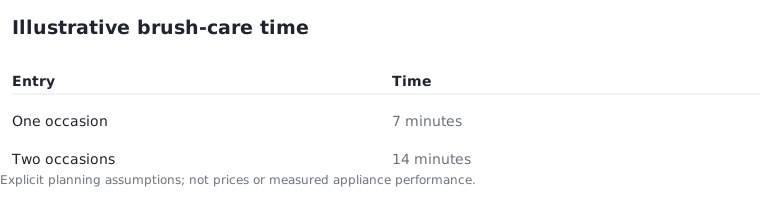
For a planning example, assume brush inspection and permitted cleaning takes 7 minutes on each occasion. At two occasions in an illustrative week, that is 14 minutes. The frequency is not a manufacturer recommendation. Use the actual care requirements and your observations rather than either neglecting the job or taking components apart more often than the instructions support.
Assess a repeatable routine, not a dramatic demonstration
If you can observe a demonstration, compare the same surface and task and note the configuration used. Do not infer home-wide performance from a small staged patch. Keep handling, noise tolerance, storage and the required care alongside the purchase price, with unknowns clearly marked.
Save the confirmed accessory and filter references for later. Miele's official finder is an example of identifying consumables by model instead of appearance. A practical choice is one whose permitted surfaces, compatible tools and recurring upkeep match your household. The product label can help you find candidates, but the documented setup should decide the shortlist.