Turn watts and cleaning time into a useful cost estimate
Calculate an illustrative electricity allowance while keeping charging, tariffs and uncertainty separate.
Updated:

Use an energy calculation for the right job
An electricity estimate needs power, time and an electricity unit rate. It does not tell you how effectively a cleaner collects dirt. Start by identifying the appliance and the information you actually have: a rated power figure, a measured energy reading or a charging specification. These are different inputs and should not be substituted without explanation.
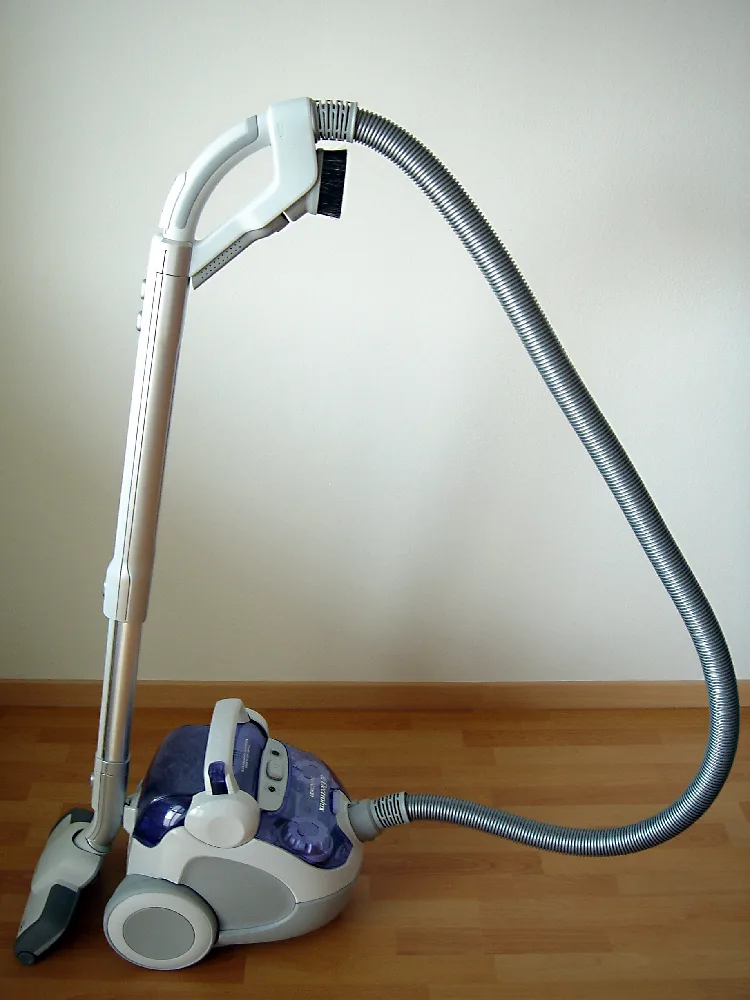
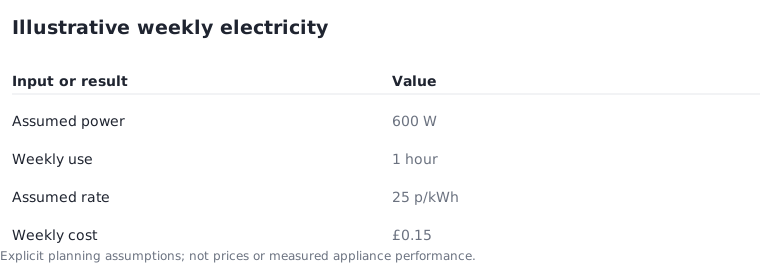
For the simple calculation below, assume a corded appliance draws a constant 600 watts during use. Real draw can differ, so this is an illustrative planning model rather than a test. Convert watts to kilowatts by dividing by 1,000, giving 0.6 kilowatts. Multiply that by hours of use to estimate kilowatt-hours under the stated assumption.
Apply your own electricity unit rate
Assume the cleaner runs for 1 hour per week. At the hypothetical constant 0.6-kilowatt draw, that is 0.6 kilowatt-hours weekly. At an explicitly assumed rate of 25 pence per kilowatt-hour, the energy cost is 15 pence, or £0.15, for that week. The example rate is not a current UK tariff quotation.
Read your own unit rate from your energy information and keep units consistent. If the rate is written in pence, divide the final pence amount by 100 to express pounds. Do not add the entire household standing charge to the cleaner as if buying it creates that whole charge. This is a marginal-use estimate, not a full bill allocation.
Annualise without hiding the assumption
Multiplying the assumed £0.15 weekly cost by 52 weeks gives £7.80 per year. If weekly use doubles to 2 hours while all other assumptions stay the same, the annual result becomes £15.60. This simple sensitivity check shows which input changed rather than suggesting one fixed running cost applies to every household.
Use fewer weeks if the appliance is not used throughout the year, and update the estimate when your unit rate changes. Keep a note of whether the power figure is rated or measured. A more precise-looking decimal does not make an uncertain input more accurate; round the final result sensibly and preserve the assumptions beside it.

Treat cordless charging as a separate measurement question
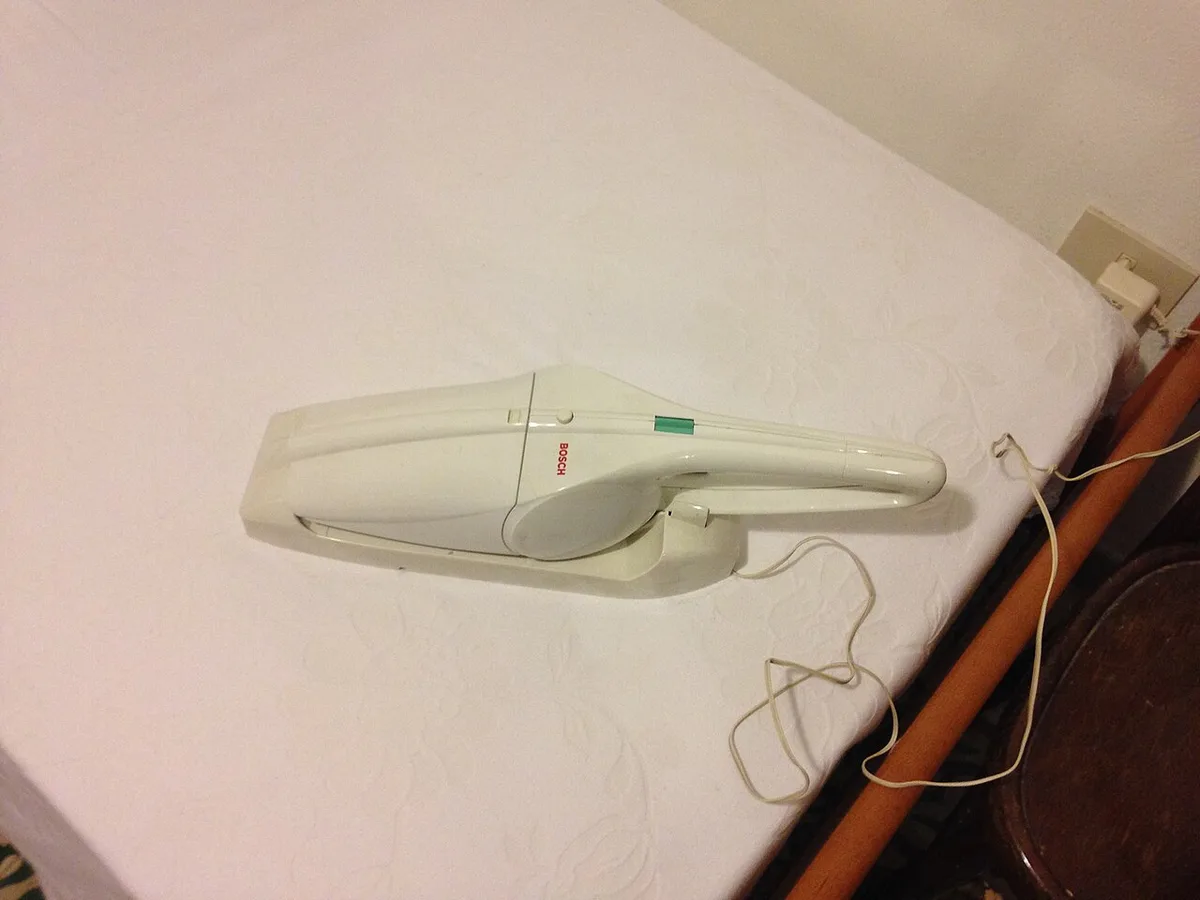
The historical handheld photograph shows a charger beside a cordless appliance. The battery and charging process mean that a motor power figure is not automatically the energy drawn from the wall over a charging cycle. If you want a closer estimate, use suitable measured wall energy under the device's instructions rather than copying the corded example blindly.
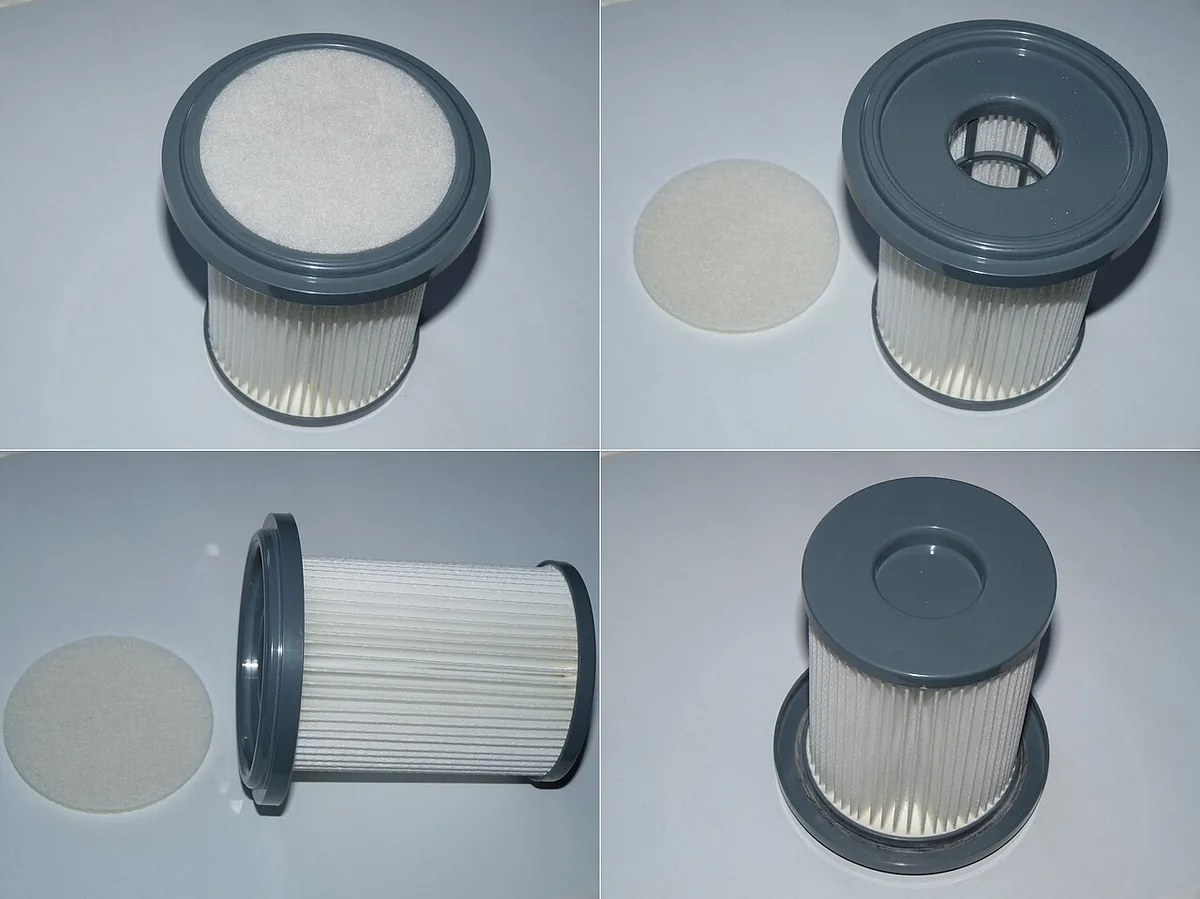
Also keep maintenance out of the energy subtotal. Bags, filters and parts belong in separate ownership-cost lines. Miele's official finder provides one route to identifying compatible consumables; it does not establish their annual usage or an electricity figure. Combining distinct estimates only after identifying them makes the total easier to review.
Miele UK: model-specific bag and filter finder ?
Use the estimate in context
Write the result as an assumed annual electricity allowance, with the power, hours and rate immediately beside it. Compare candidates only when the task and assumptions are equivalent. A machine that takes longer for your routine or uses a different mode may change the time input substantially.
Do not let a small calculated electricity difference override floor compatibility, handling or correct maintenance. Dyson's general care guide illustrates the range of components owners still need to manage. Your full decision includes those requirements and the purchase cost. The calculator is useful because it exposes the arithmetic, not because it can predict an untested appliance's performance.