Decide what you want a robot to collect or wipe
Separate dry debris, wet cleaning and floor restrictions before comparing robot vacuum and mop features.
Updated:
Name the result you need
Start with two separate questions: do you want loose debris collected, or an approved surface wiped? A machine description that combines vacuuming and mopping can obscure the difference between those jobs. Write down which task matters in each room and which you already handle comfortably with an existing tool.
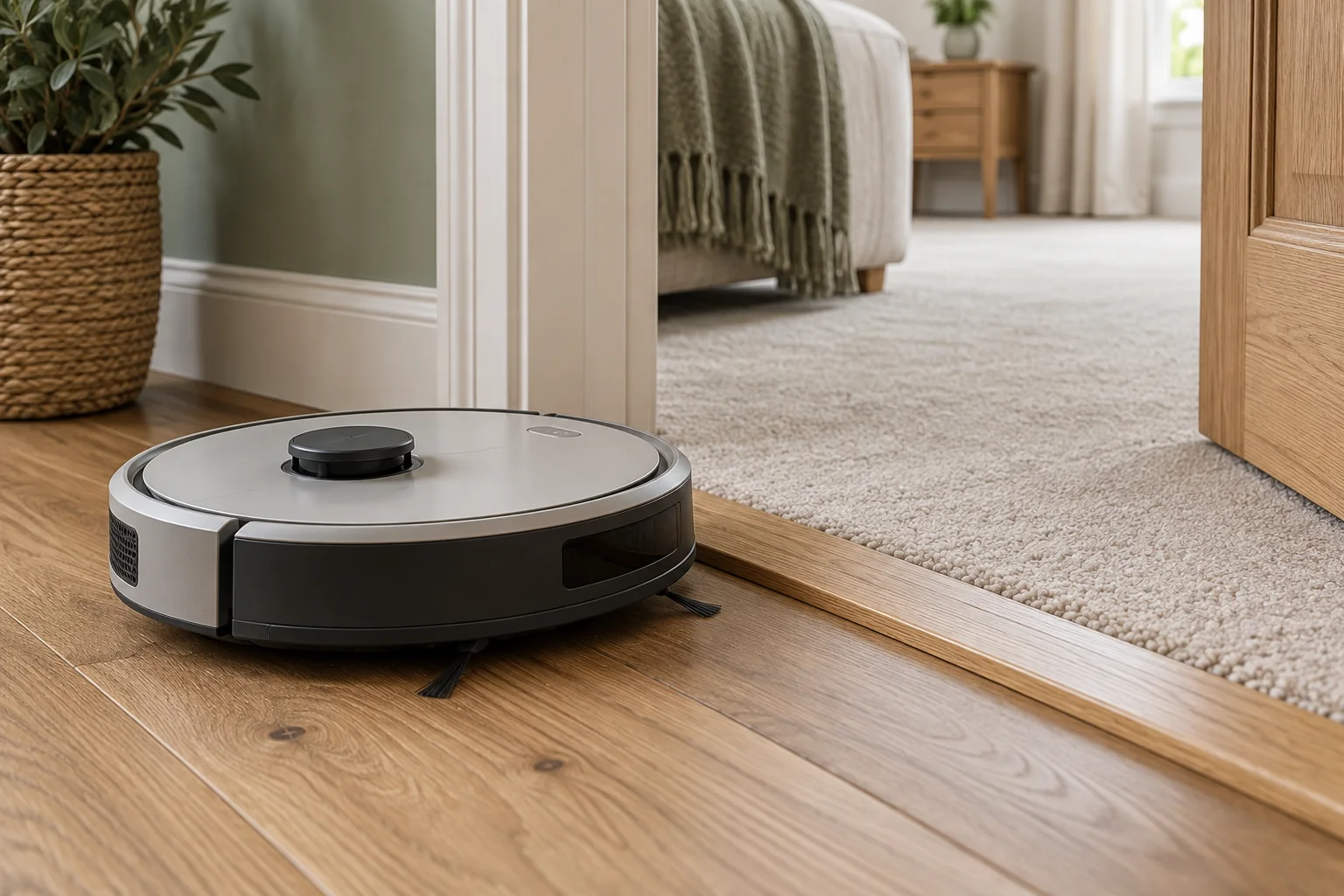
Avoid judging the whole home from the kitchen alone. A hallway, a carpeted bedroom and a delicate hard floor can require different decisions. The useful comparison is not the number of functions on the product page, but the functions you can actually use within the appliance and floor instructions. A feature that remains switched off contributes little to your routine.
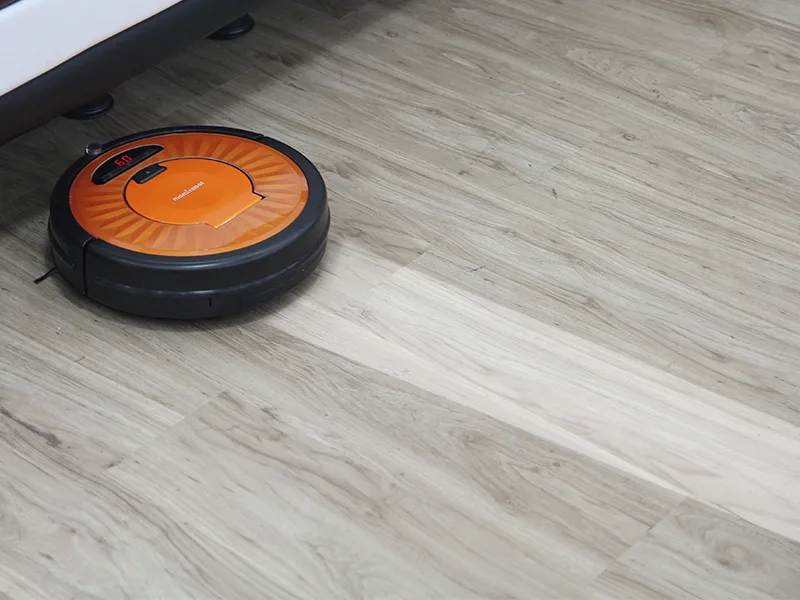
Keep steam and damp wiping distinct
Karndean's UK guidance advises against steam cleaning its floors. That is a specific restriction on a method, not an automatic verdict on every device described as a mop. A steam appliance, a damp pad and a wet-and-dry cleaner should not be treated as identical because each involves water.
Find the care instructions for the installed floor and the cleaning instructions for the exact machine. Check the permitted liquid or solution rather than improvising with a household cleaner. If either instruction set is missing, keep that room outside the wet-cleaning plan until you can identify the permitted method. A dry-only routine may remain useful while the question is unresolved.
Karndean UK: floor-care questions ?
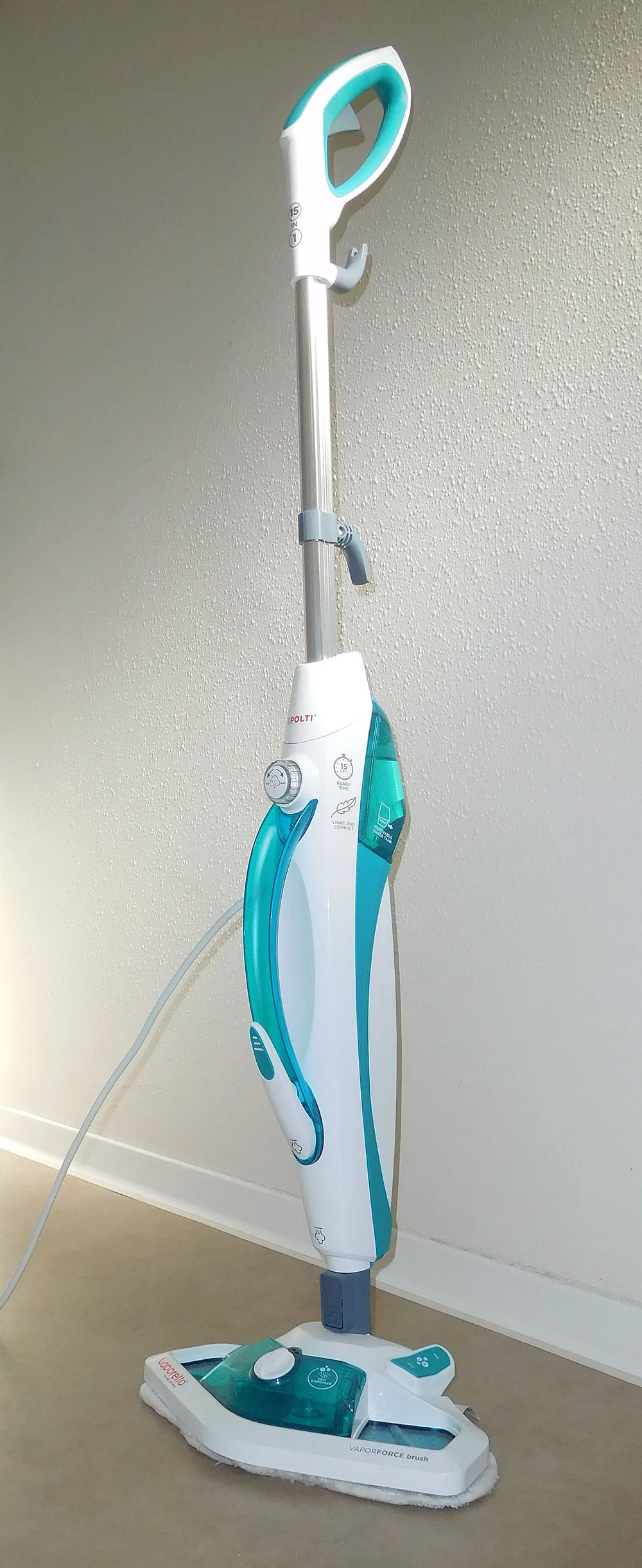
Compare the usable area for each mode
Suppose a home has 24 square metres of reachable floor. Under an assumed plan, 16 square metres are approved for the selected wiping method, while eight remain dry-only. The wet-cleaning area is therefore two-thirds of the total, approximately 67 per cent. This ratio describes a hypothetical plan, not a machine's performance.
Place your own figures beside the price difference between the configurations you are considering. The exercise does not produce a universal best buy. It helps reveal whether you are paying for a feature intended for a small corner of the home or a substantial part of the weekly job. Include the effort needed to separate modes or areas where the model requires it.
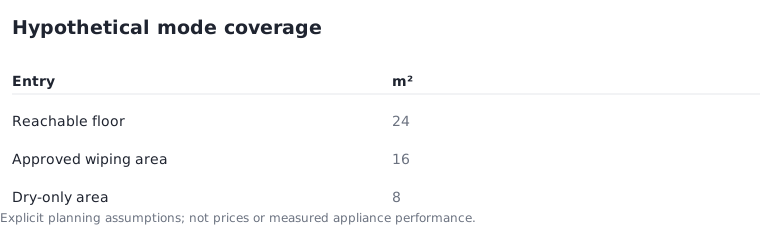
Budget the work around the cycle
A moving robot still leaves tasks for a person. List preparation, emptying, any pad handling and the care steps in its manual. The underside photograph helps locate physical cleaning components; it cannot establish how often your particular model needs attention. Let the official maintenance schedule and your observed conditions determine that routine.
For a planning example, assume 3 minutes of preparation plus 4 minutes of post-cycle care. Five weekly sessions would require 35 minutes of human time. Add any separate periodic jobs instead of treating them as included. Do not subtract a claimed number of saved minutes unless you have measured the manual routine you are comparing against.
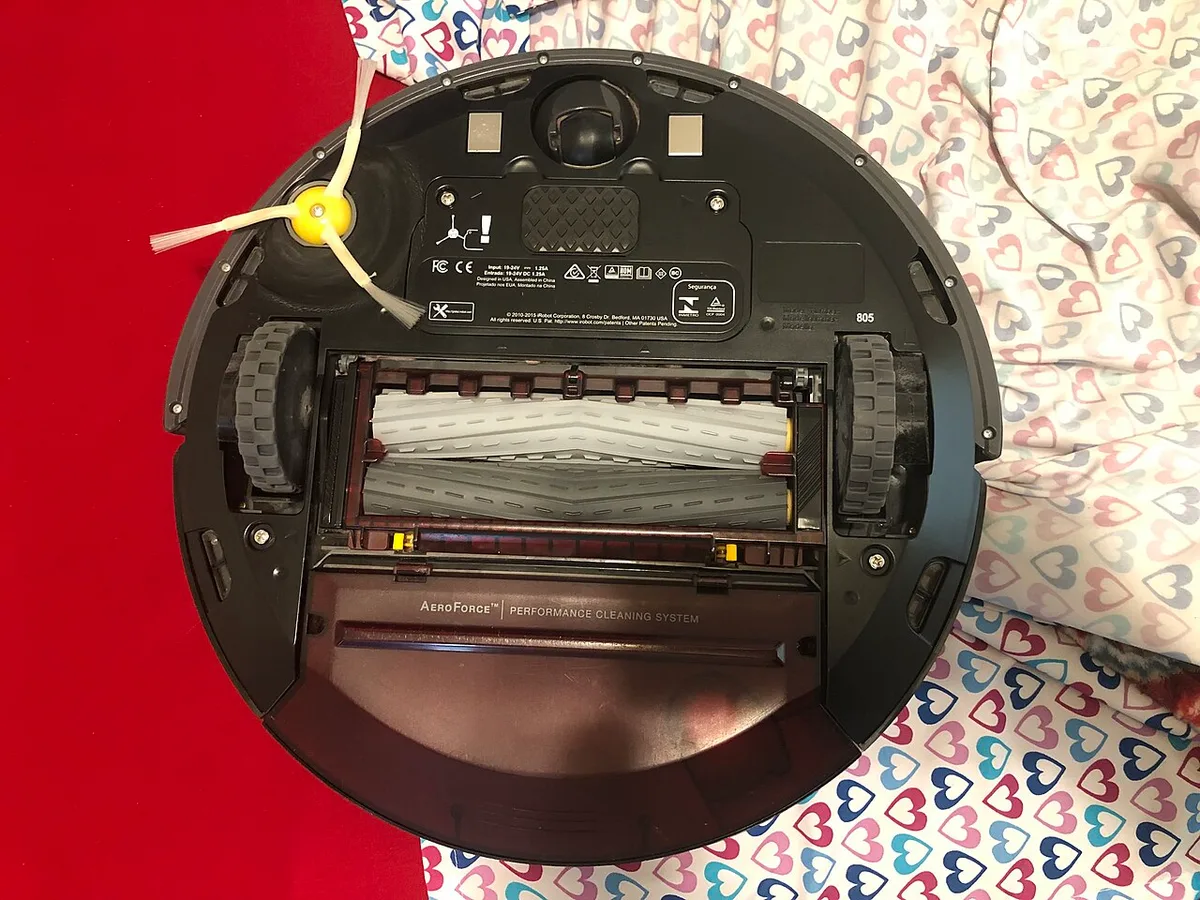

Choose a combination you can maintain
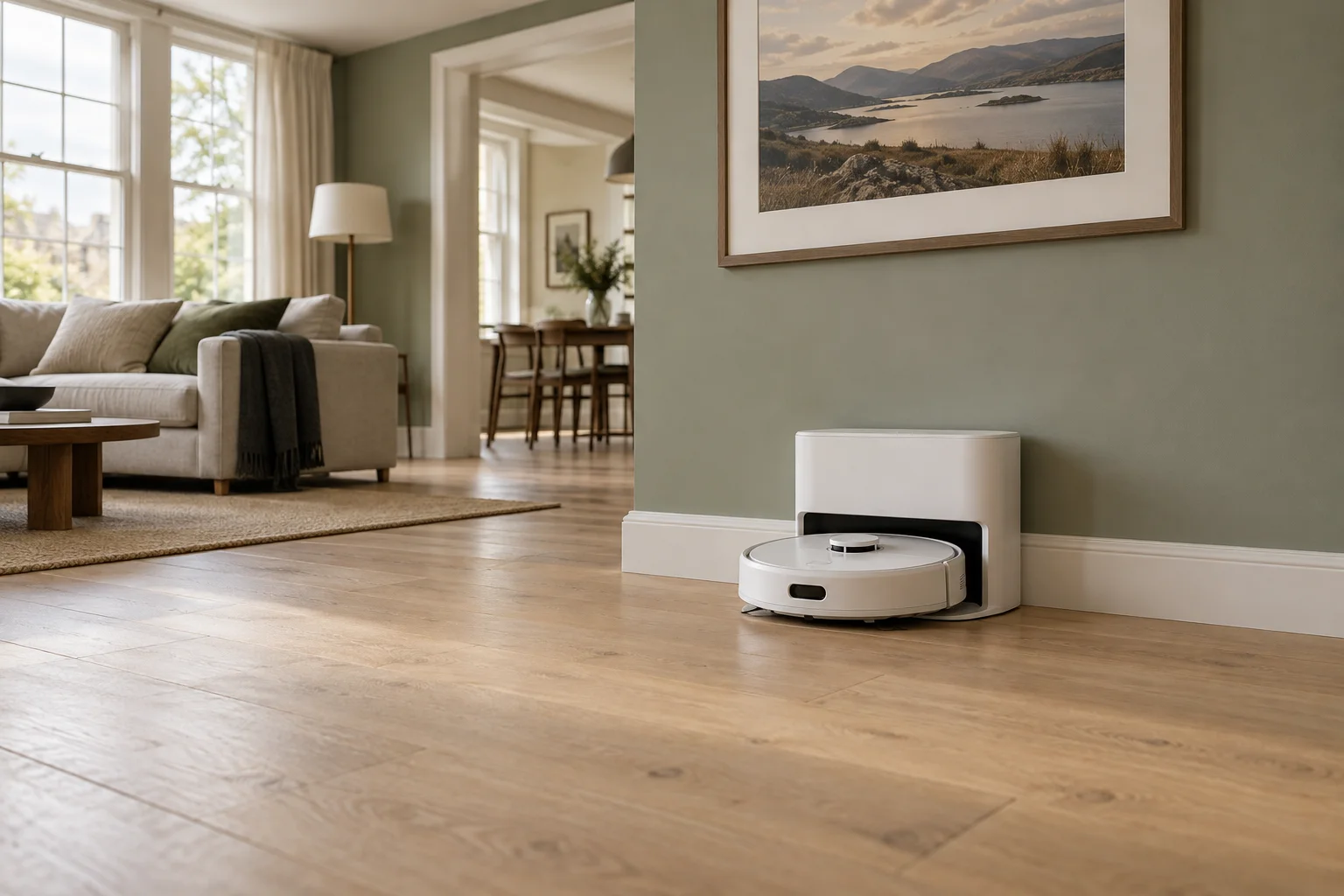
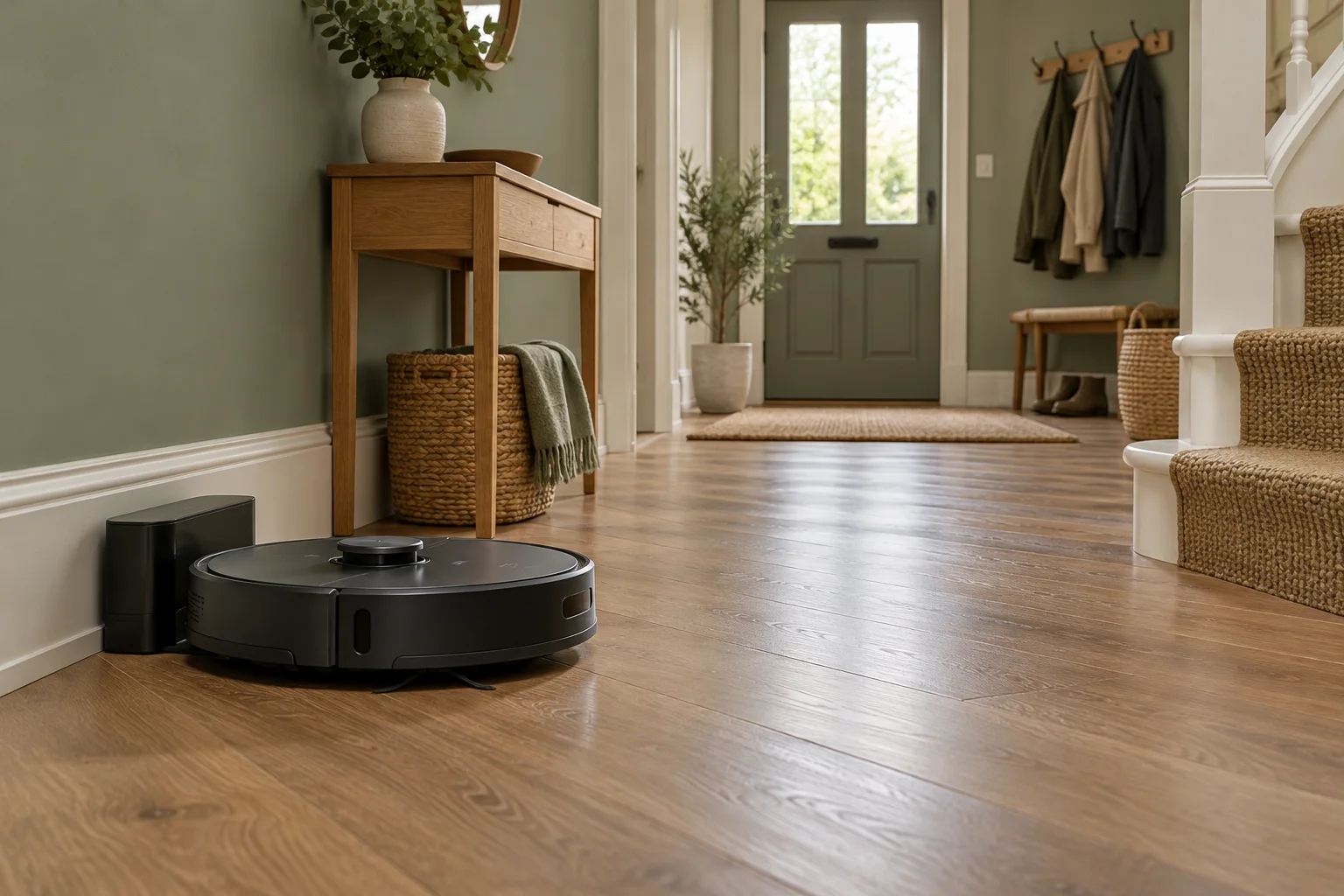
Check where the complete setup will live and where removable wet components will be handled. A base location should follow the documentation for that exact product; iRobot publishes a distinct placement guide for Braava jet m Series equipment. Instructions for a different robot base are not interchangeable.
Finish the comparison with a short statement: which rooms, which approved method, what preparation and what remaining manual work. If a simpler vacuum routine fits your floors and schedule, an extra wiping feature is optional. If wiping solves a recurring job on approved surfaces, assess the entire maintenance and storage arrangement before deciding that the feature is worthwhile.