Check thresholds and rugs before a robot purchase
Map transitions and movable floor coverings without mistaking advertised climbing height for a home-wide guarantee.
Updated:
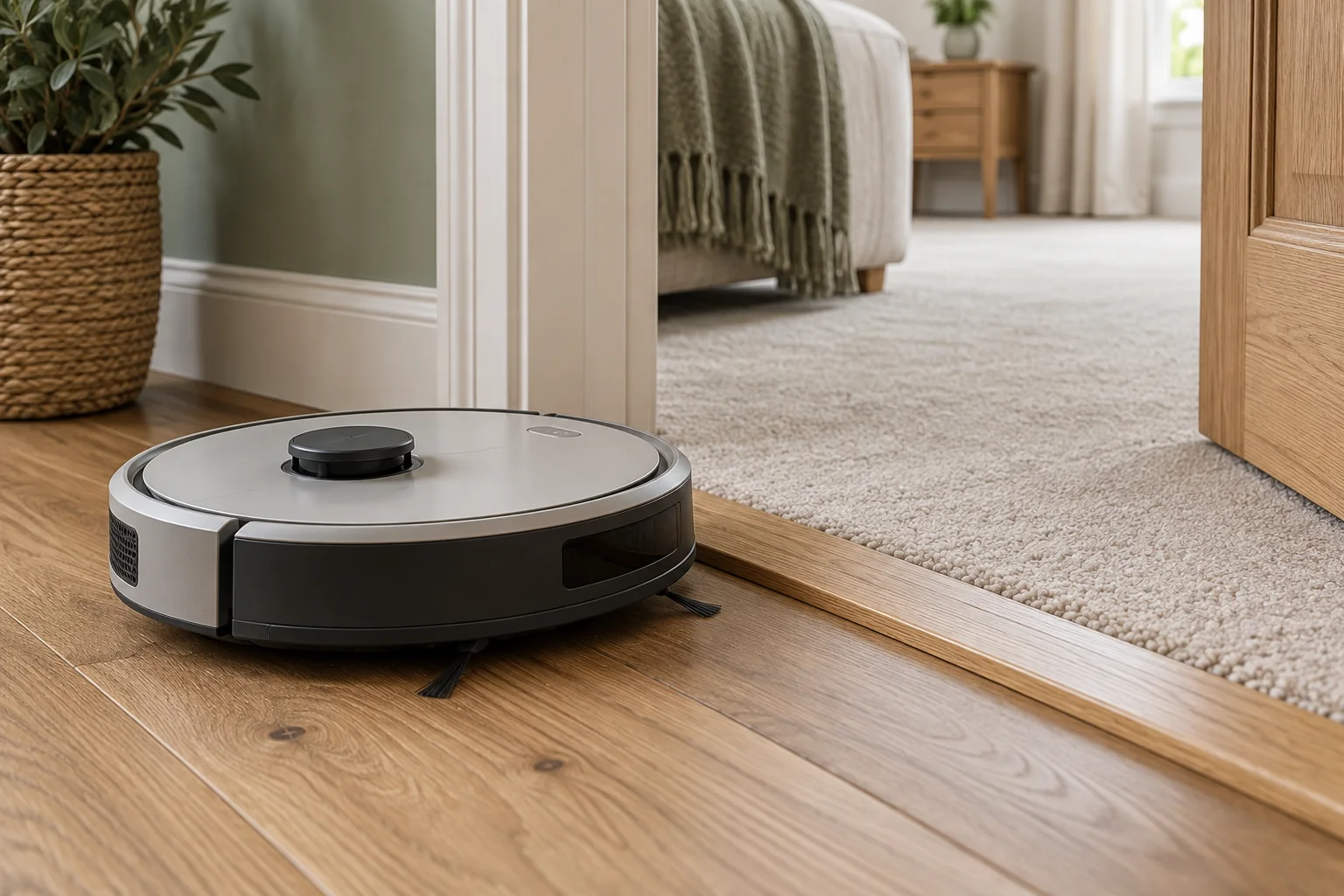
Draw the links between rooms
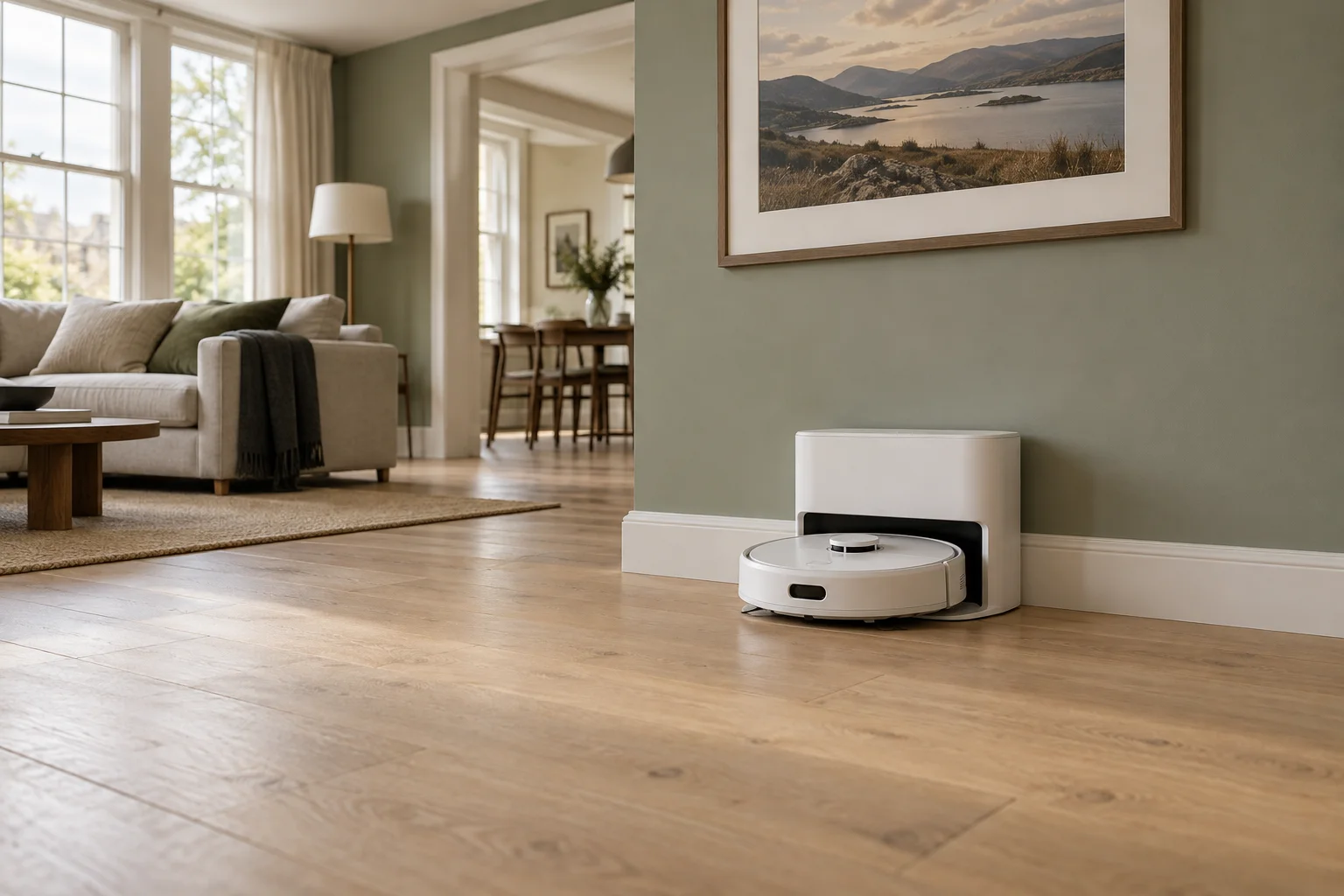
A useful robot floorplan is a map of connections as well as a collection of areas. Mark each doorway, raised transition and loose rug between the intended cleaning rooms and the charging location. The official iRobot placement advice emphasises an open return area; that condition still leaves the rest of your route to assess.
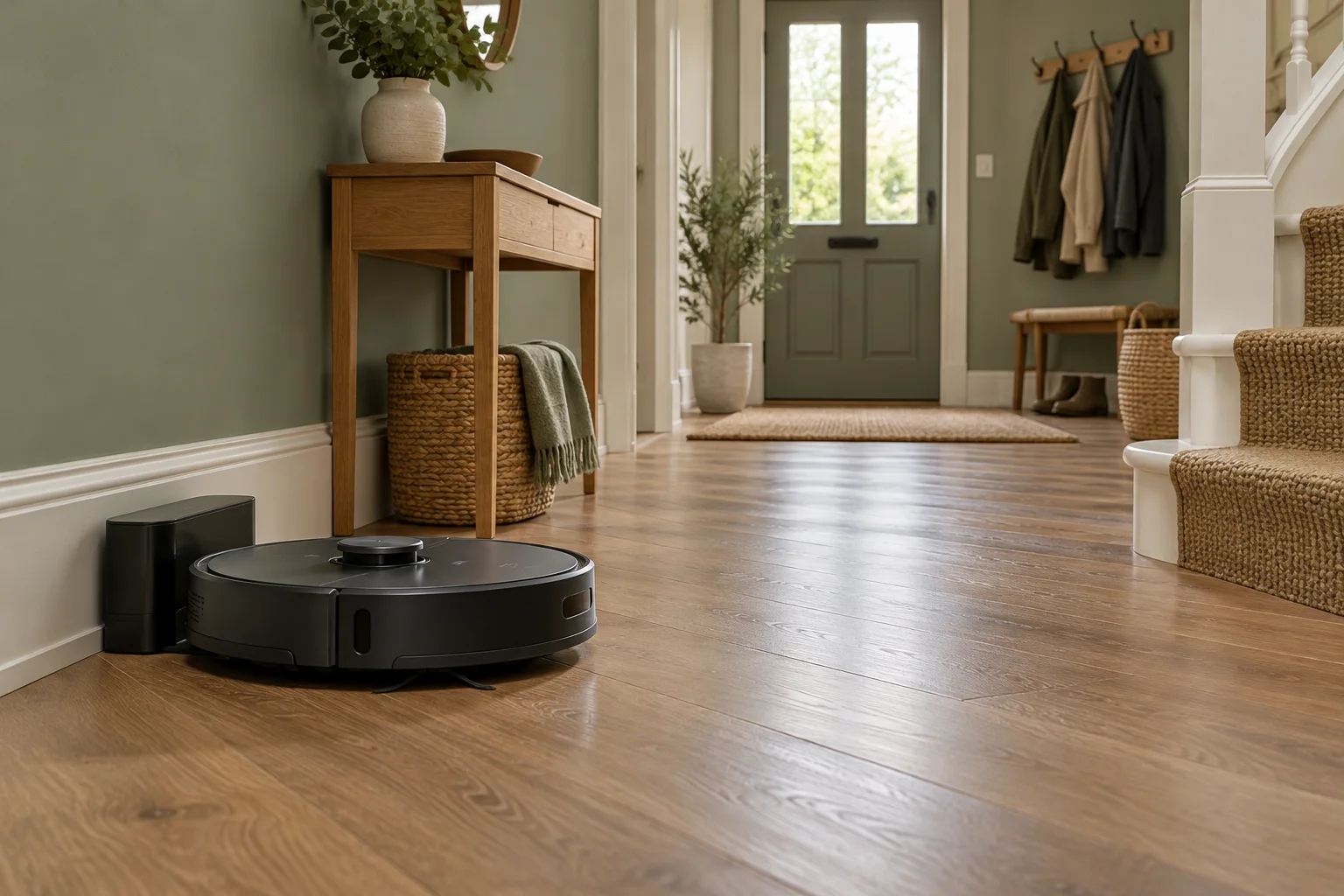
Use a ruler to note the visible height of a transition, and describe its shape in ordinary words: gradual slope, rounded edge or abrupt step. Do not convert that observation into a guarantee of traversal. The appliance manual and any model-specific restrictions remain necessary. A single advertised climbing figure cannot describe every combination of floor grip, approach angle and surface shape.
iRobot: Roomba Home Base placement ?
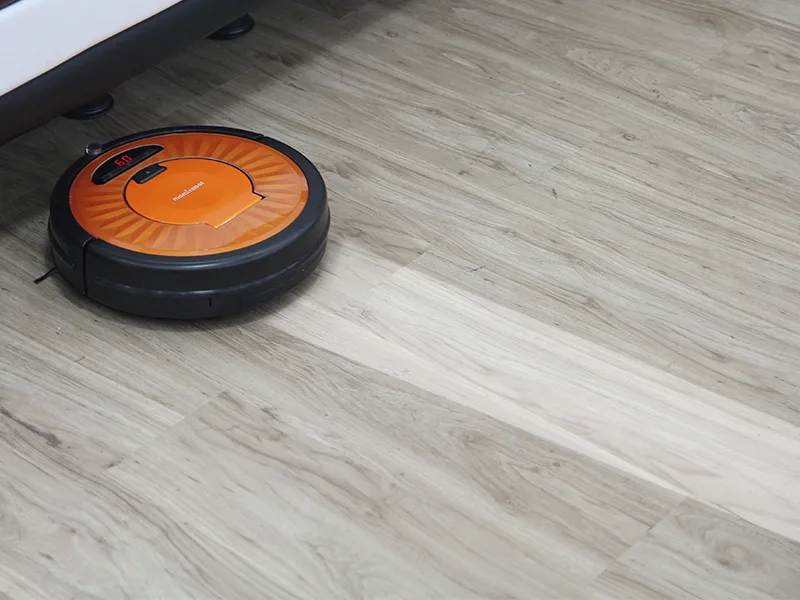
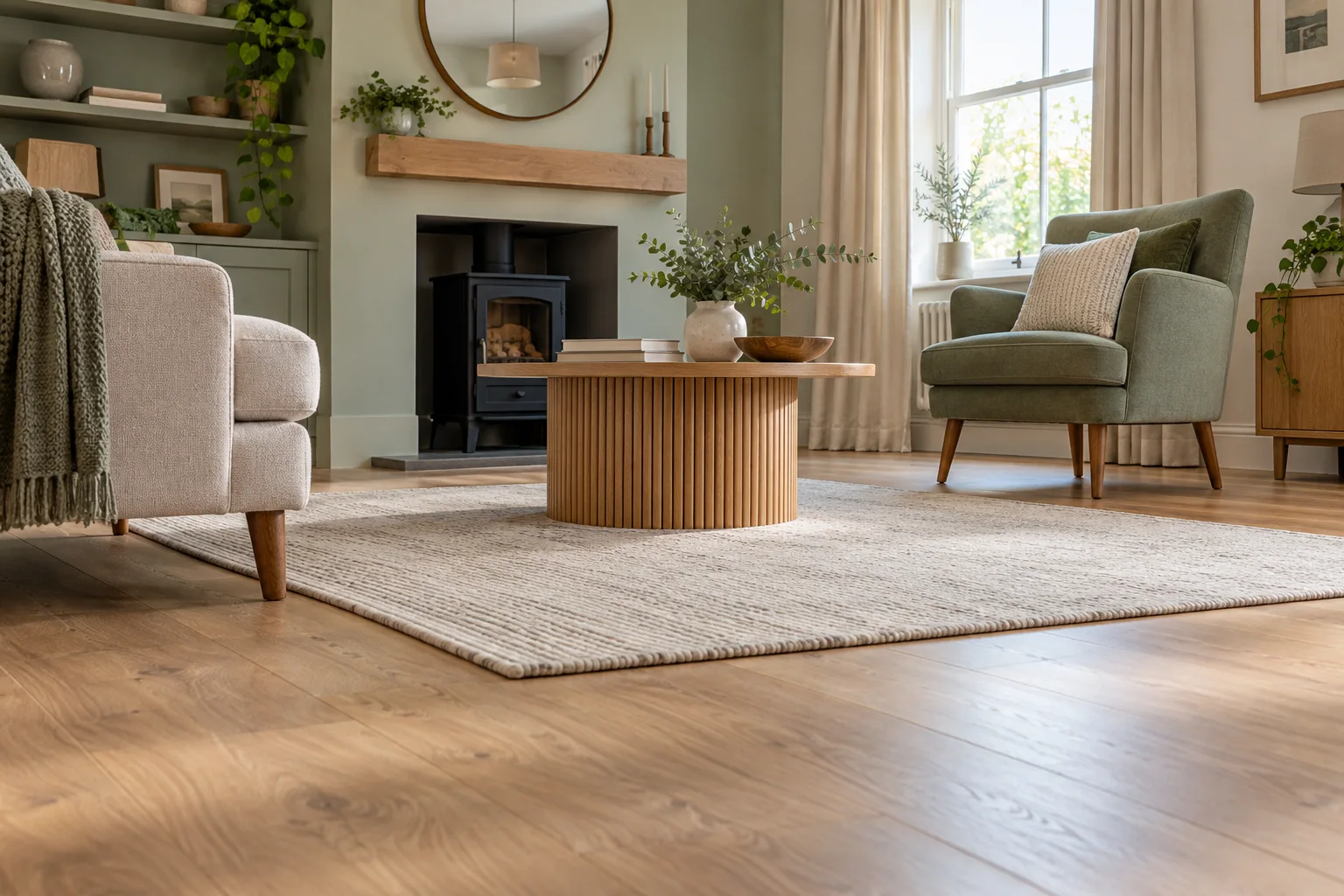
Treat a loose rug as a changing object
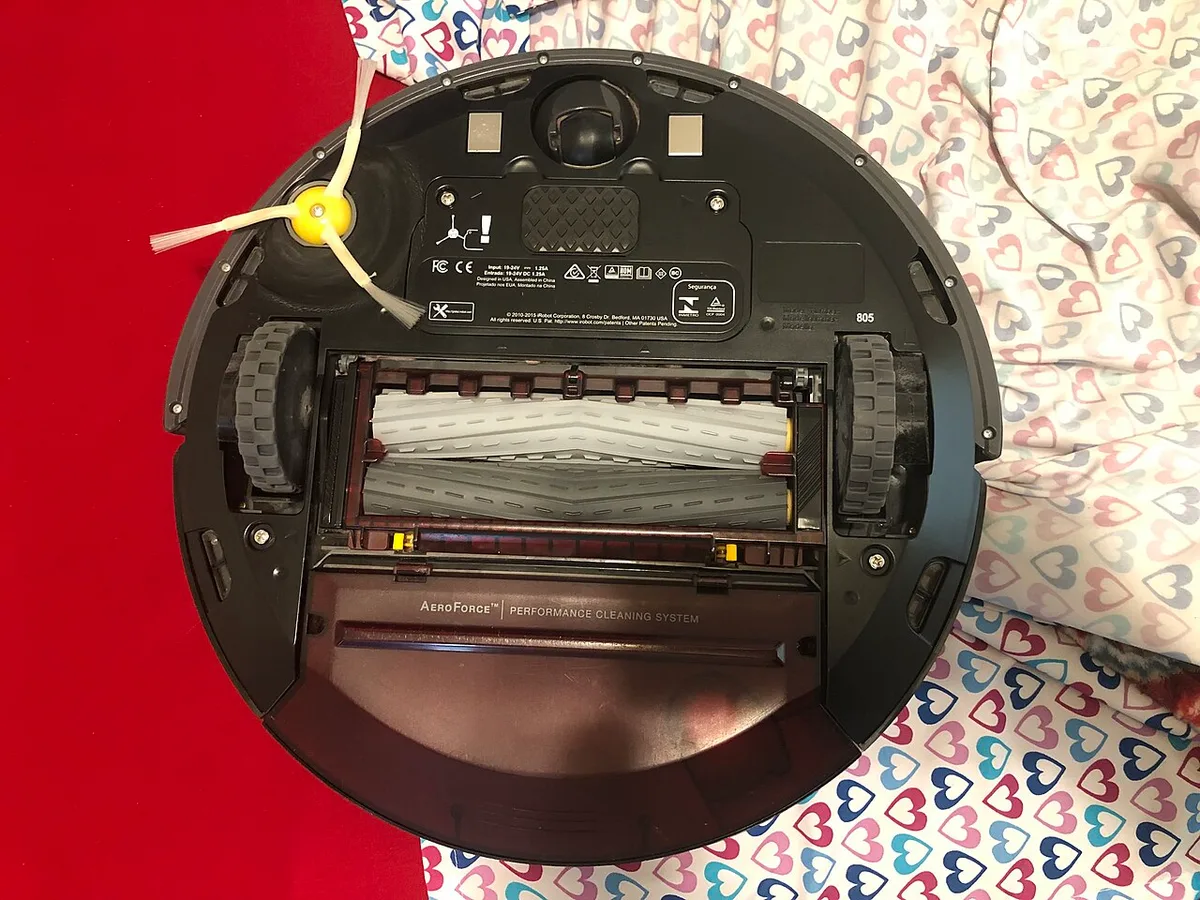
Record whether a rug lies flat, has fringes or shifts during ordinary use. Those are useful observations before choosing a cleaning routine. The historical robot underside shows components close to the surface; it does not establish whether any current robot can recognise or avoid a particular fringe or folded corner.
Prepare a supervised trial only within the manufacturer's instructions and keep the area observable. If a rug repeatedly moves or a corner folds during normal household traffic, resolve that condition before relying on an unattended schedule. Excluding the rug can be a sensible planning choice. Do not tape, trim or alter a valuable covering simply to make a new appliance fit an assumption.
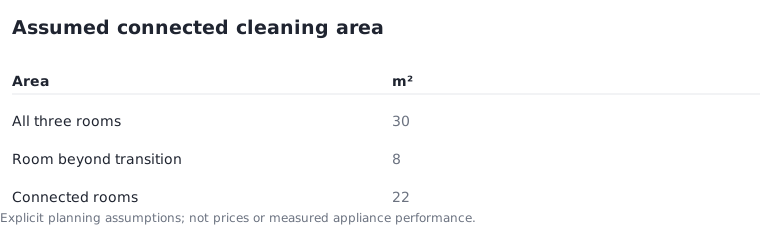
Separate total area from connected area
Imagine three rooms with reachable areas of twelve, ten and 8 square metres. Their total is 30 square metres. If a transition prevents the robot reaching the eight-square-metre room from its base, the connected area is only 22 square metres. This is an assumed layout example, not a measurement of a robot's capability.
Put inaccessible space in a separate column rather than silently counting it as covered. You may decide to clean that room manually, investigate a permitted boundary arrangement, or choose a different main appliance. Carrying the robot between spaces can introduce additional setup or mapping questions, so check the exact instructions before treating it as an effortless solution.
Do not let movement permission become mopping permission
A robot reaching a room says nothing about whether a wet-cleaning mode is permitted on the surface. Identify the installed floor and check its care guidance independently. Karndean's steam restriction is one example of why a broad hard-floor description is not enough; it should not be stretched into a rule about all robot mopping methods.
Keep surface notes alongside route notes. For each room, distinguish dry collection, approved damp cleaning and any prohibited method. If you do not know whether a wood-look surface is laminate, timber or vinyl, resolve that uncertainty before selecting a wet-cleaning routine. The floor manufacturer's documentation is the appropriate source for the installed product.
Karndean UK: floor-care questions ?
Write down the result before expanding the schedule
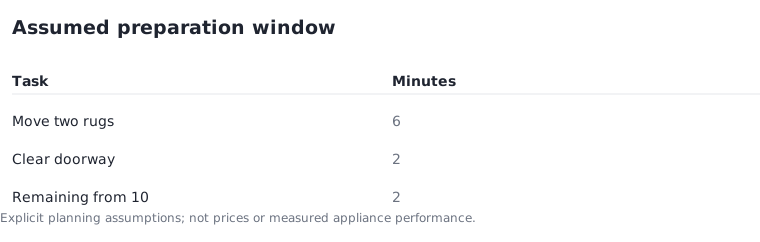
Use an assumed ten-minute preparation window as a budget rather than a target imposed by an appliance advertisement. If moving two rugs takes 3 minutes each and clearing a doorway takes two, preparation uses 8 minutes. That leaves only 2 minutes in the assumed window for other tasks. Replace these values with your own observations.
The practical outcome is a route you can repeat without surprises. Keep photos of the acceptable room arrangement for your own use and note excluded spaces clearly. Reassess after adding a new rug or changing furniture. A robot that suits a connected subset of rooms may still be useful, provided the remaining manual work is acknowledged before purchase.
Kärcher UK: parquet and laminate care ?