Prepare a room before the robot starts
A room-by-room preparation routine that separates obstacles, floor permissions and ongoing maintenance.
Updated:
Walk the route before programming a routine
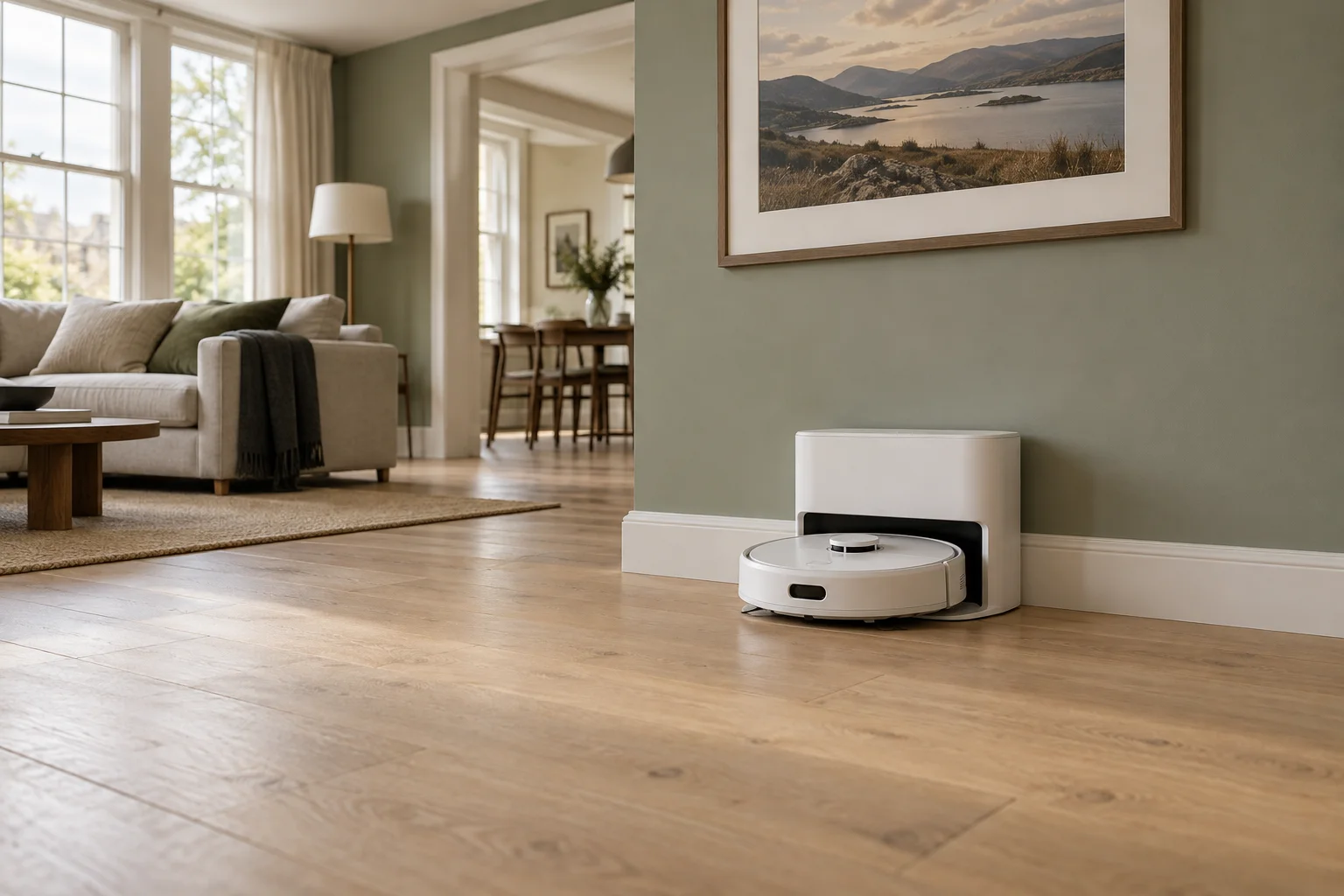
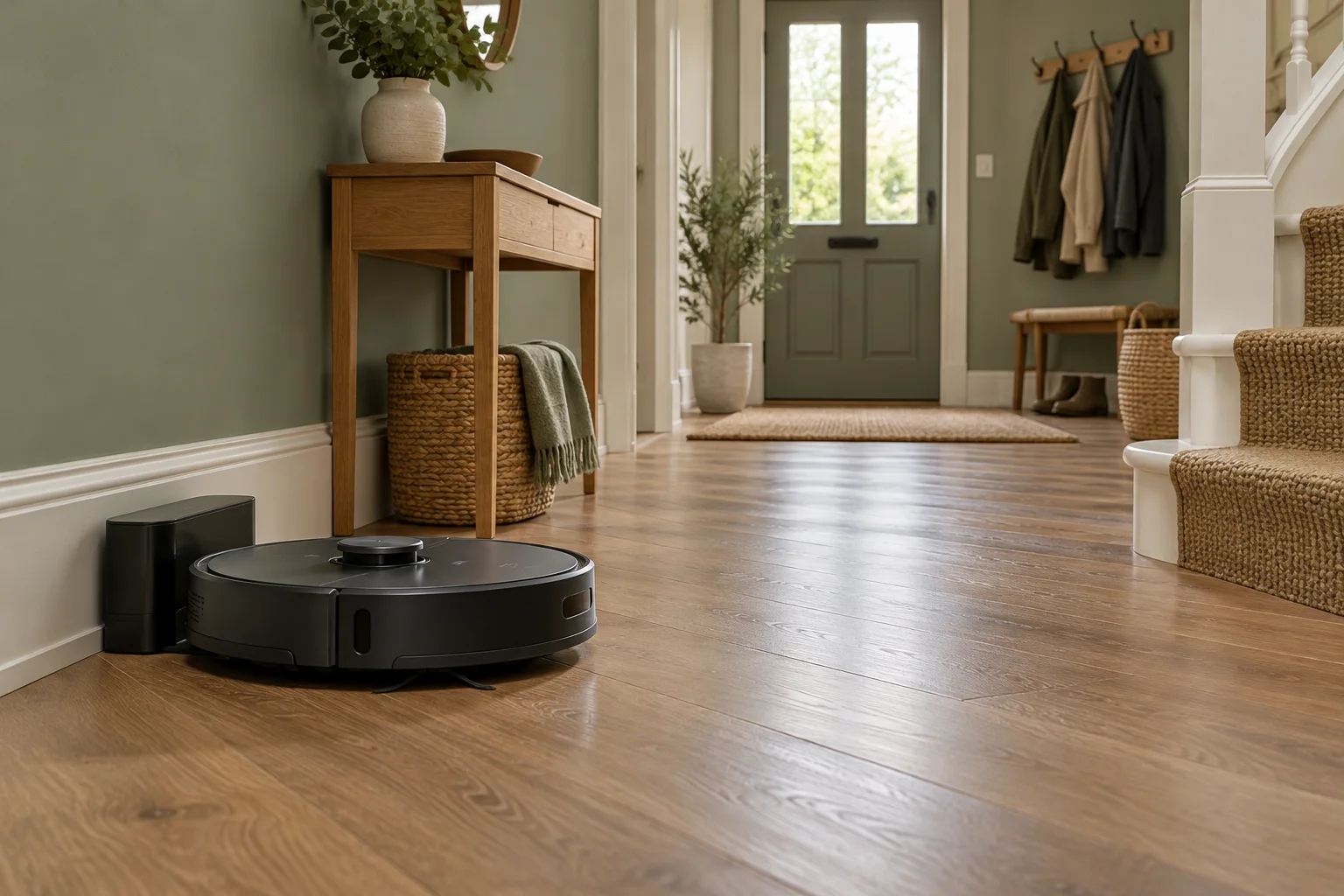
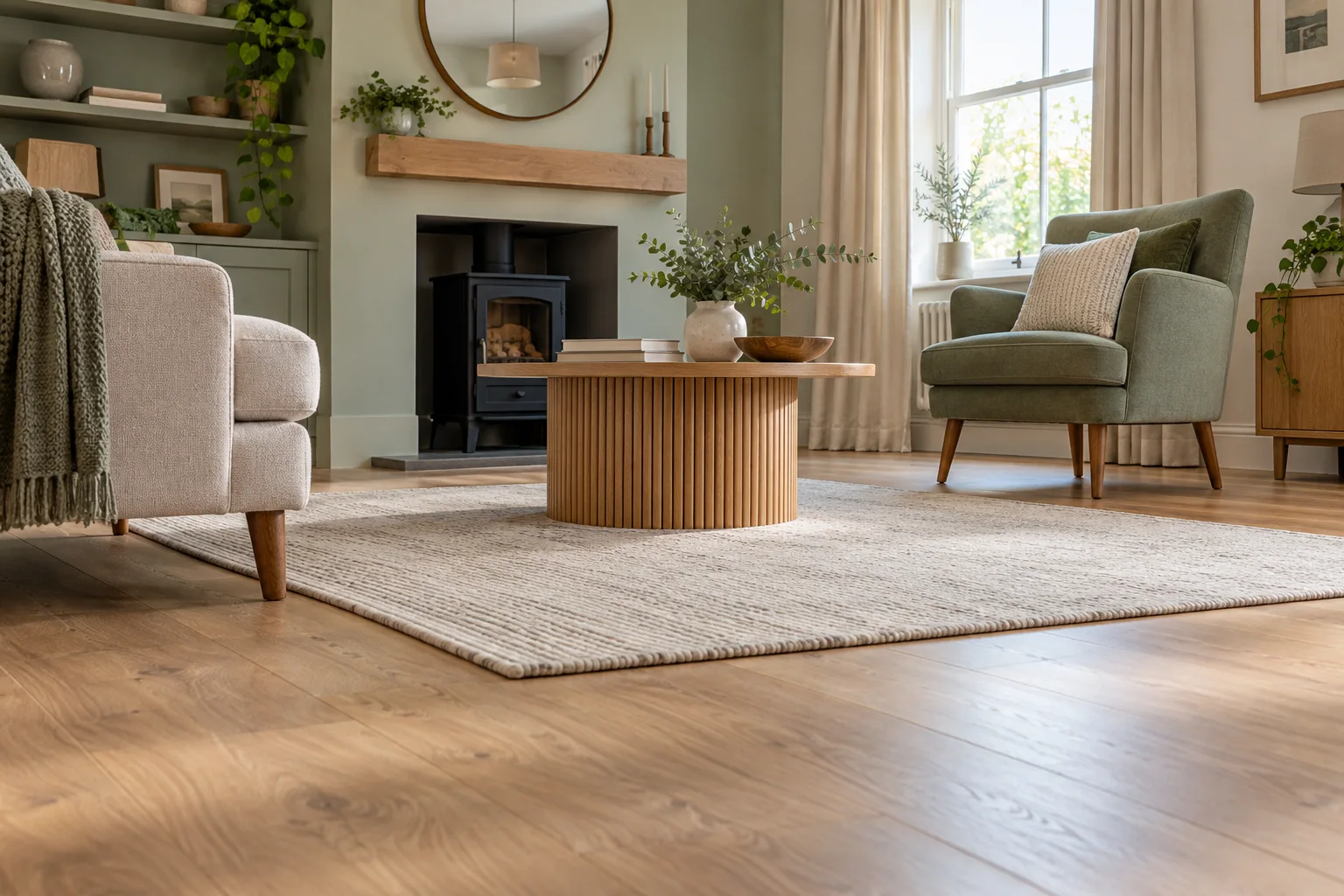
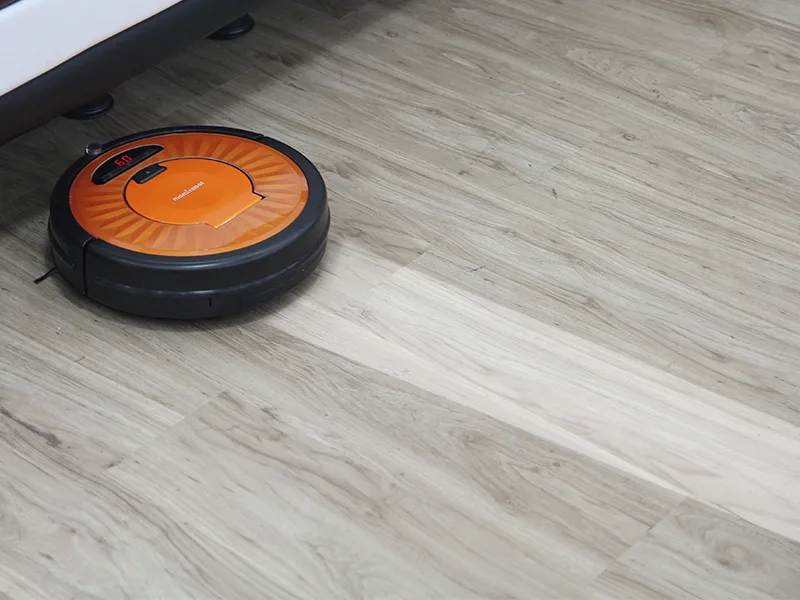
Begin at the proposed charging point and walk into every room you want included. Look at the route at floor level, not just the clear space in the middle of each room. The official iRobot Home Base guidance asks for an open area and level placement; use the exact model manual for the robot you own. A clear room without a workable return route is an incomplete setup.
Make a short list of things that change daily: charging cables, shoes, toys, laundry and dining chairs. Decide where each item belongs before a scheduled clean begins. The aim is a repeatable household routine rather than a photographically perfect room. A preparation basket by the doorway can be a practical place for movable objects, provided it does not itself block the route.
iRobot: Roomba Home Base placement ?
Inspect the low-level obstacles
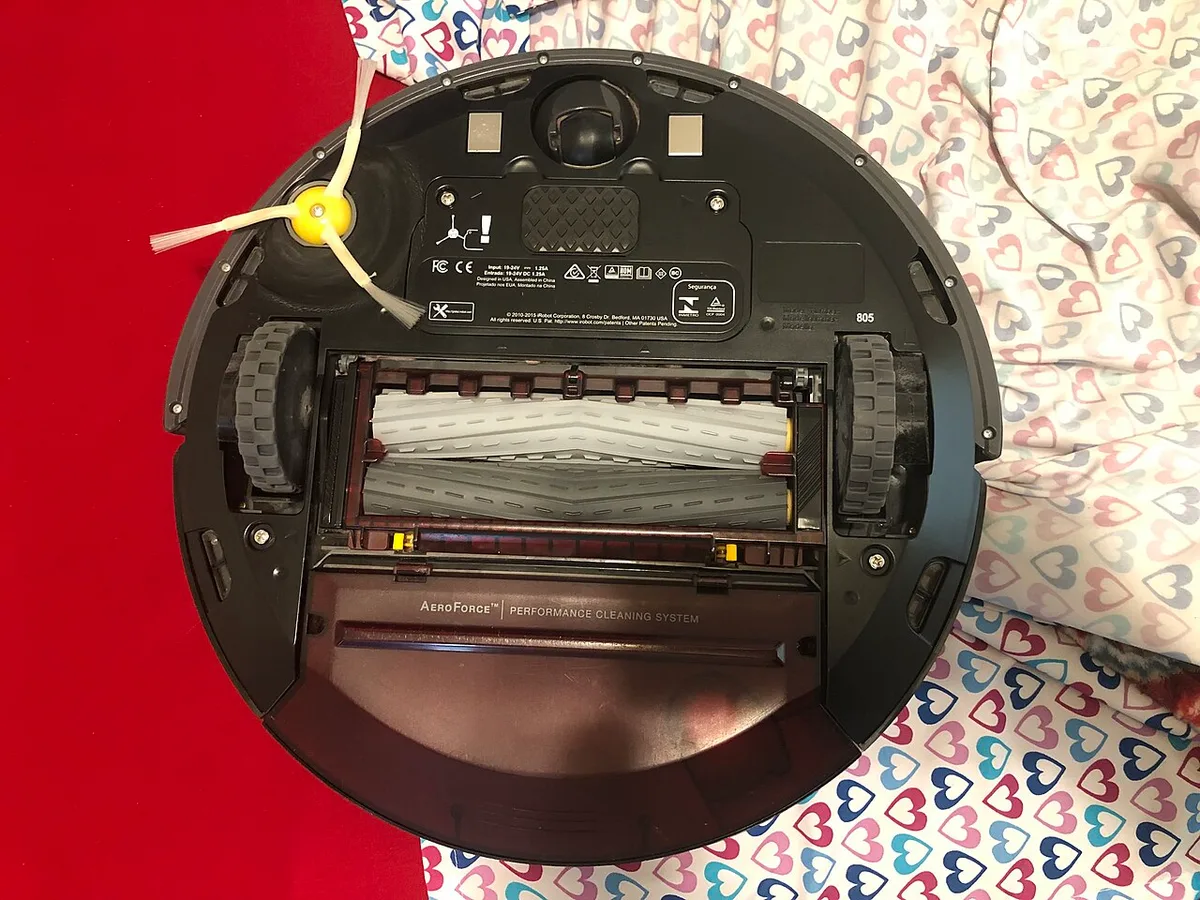
The underside photograph shows wheels and brushes close to the floor. It helps explain why objects on the route deserve attention, but it does not prove the obstacle-detection capability of a modern model. Do not use the presence of a camera or a marketing feature name as a reason to leave hazards in the path.
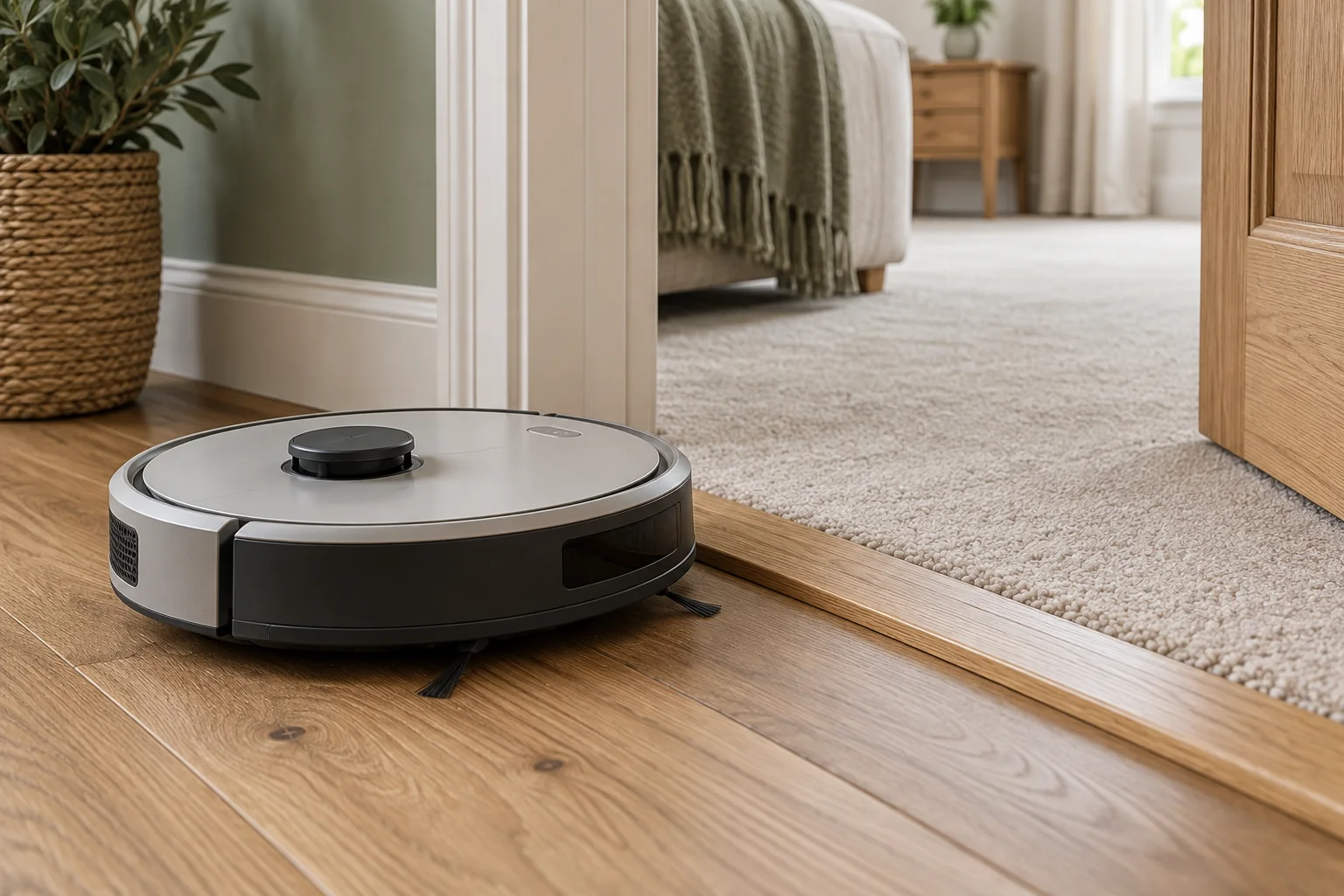
Record trailing cables, thin fabric, unstable ornaments and any area you intend to exclude. Follow the appliance instructions for boundaries and supervise an initial run. Keep stairs and other drop-offs within the exact manufacturer's setup rules. If a robot repeatedly stops at the same point, change the route or exclude that area rather than repeatedly restarting a schedule that cannot finish.
Count preparation as part of the job
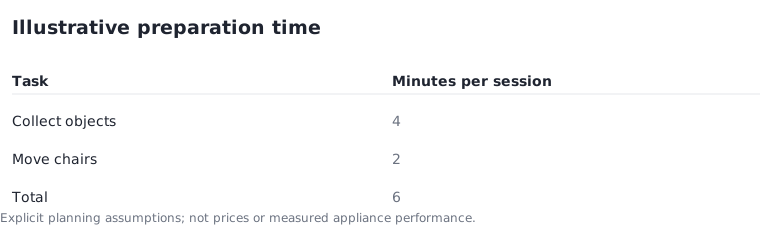
Assume, purely for planning, that collecting floor objects takes 4 minutes and repositioning chairs takes 2 minutes. Preparation is then 6 minutes per session. At 5 sessions each week that becomes 30 minutes, before emptying or maintenance. Those numbers are not a product test: replace them with a timed observation in your own room.
Use a second column for tasks that are not needed every time. A five-minute weekly brush inspection, for example, would make the assumed total 35 minutes. Keeping preparation separate from machine running time makes comparisons easier. A longer unattended cycle and a shorter manual clean cannot be compared fairly by looking only at the minutes the appliance moves.
Keep wet cleaning permissions separate
If the robot also wipes or mops, identify the floor and consult its care instructions before enabling that function. Karndean's UK advice rejects steam cleaning for its floors; that is a specific steam restriction, not evidence that every robot mop is suitable or unsuitable. The exact wet-cleaning method and permitted solution still need their own check.
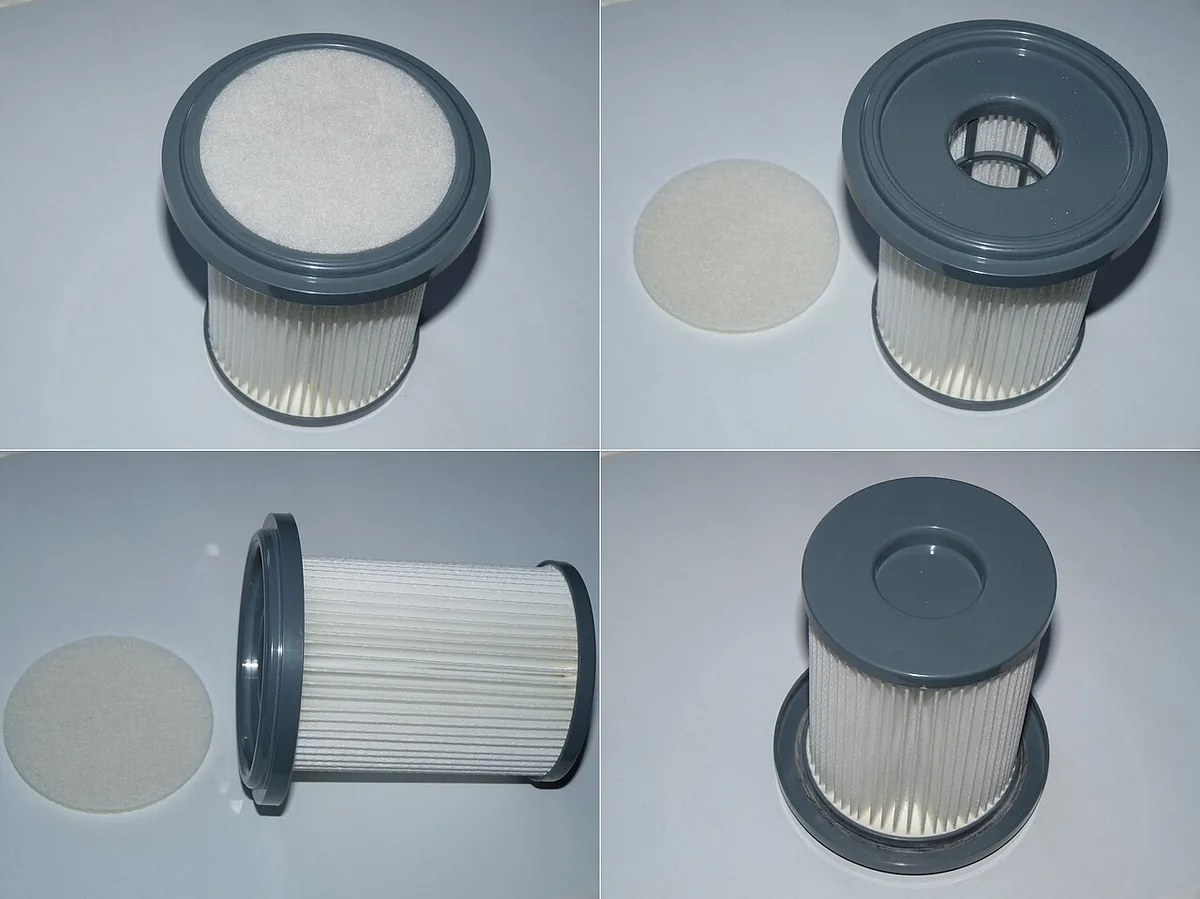
Put consumables and care instructions in the same household note. Filters differ, and a photograph of a pleated filter does not identify the correct replacement. Use the exact machine reference when locating parts. A readily accessible spare-parts page is more useful than an unlabeled packet saved in a cupboard.
Karndean UK: floor-care questions ?
Run a small, observable trial
Choose one room for the first supervised run and note where you had to intervene. Record the event rather than simply marking the run good or bad: a moved chair, a loose cord or a docking attempt can require different changes. Do not interpret one successful journey as proof that every future room arrangement will work.
After changing the preparation routine, repeat the same route under ordinary conditions. Keep the final checklist short enough for everyone in the home to use. If maintaining a clear route takes more effort than expected, reduce the scheduled area. A dependable small routine can be more useful than an ambitious whole-home schedule that requires frequent rescue.
Miele UK: model-specific bag and filter finder ?