Match replacement parts by reference, not resemblance
A practical method for identifying the right bag, filter or attachment before ordering.
Updated:
Start with the machine identification label
Before shopping for a bag, filter or attachment, record the complete model reference from the appliance and compare it with the manufacturer's support page. Miele's UK finder asks users to identify their cleaner when locating compatible bags and filters. That is a more reliable starting point than comparing photographs of similar parts.
Keep the serial number private when it is not needed for a public enquiry. For your own records, photograph the label and save the manual link. If the appliance came with a separate powered head or base, record its reference too. A package name printed on a retailer's old listing may be less precise than the markings on the actual components.
Miele UK: model-specific bag and filter finder ?
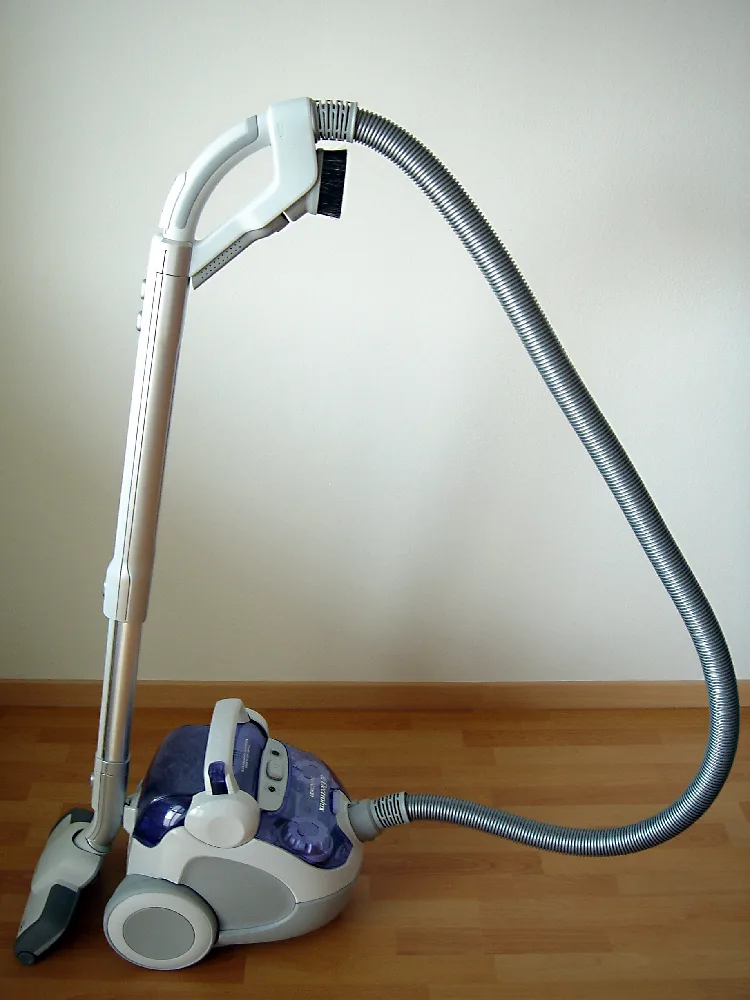
Identify which component you are replacing
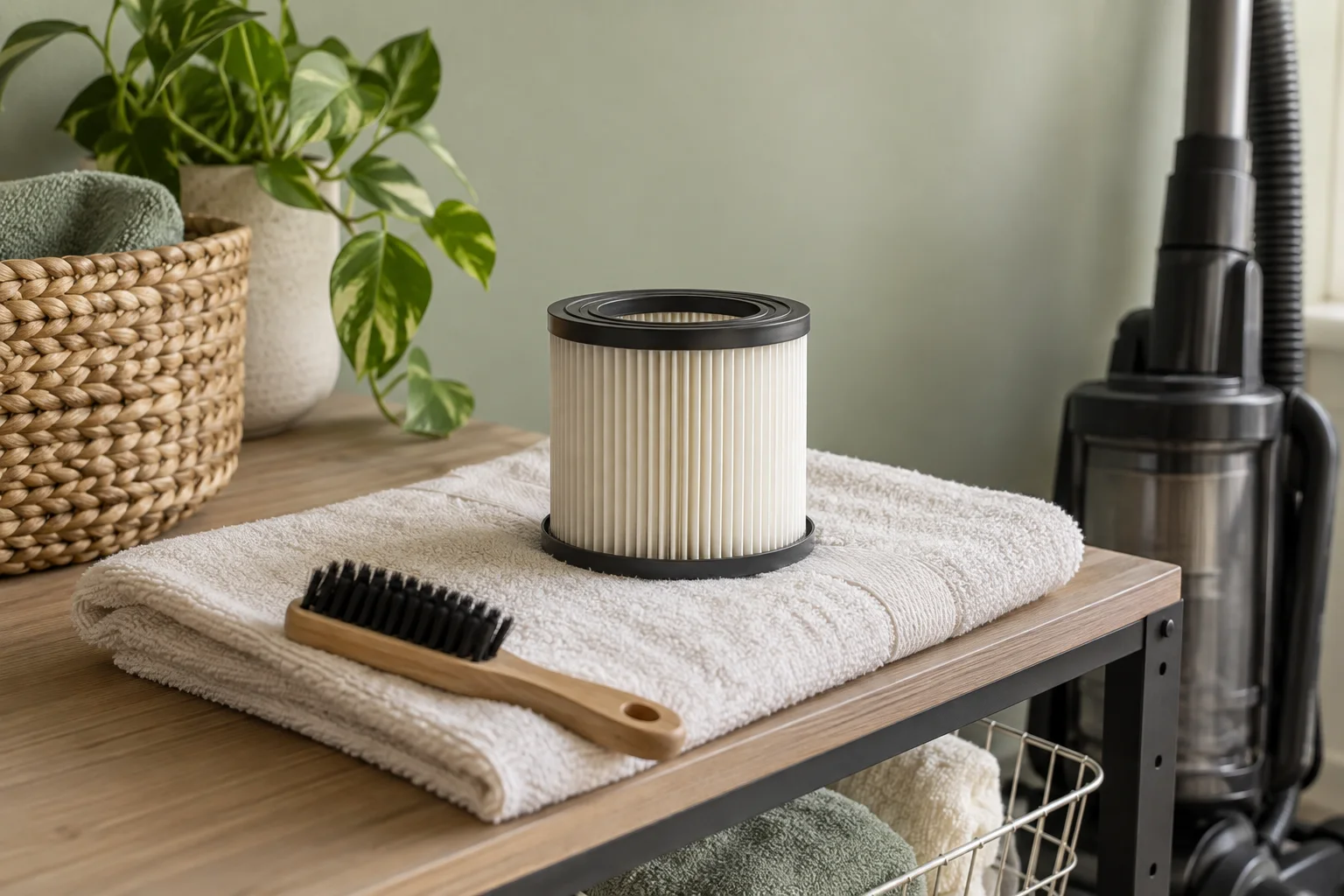
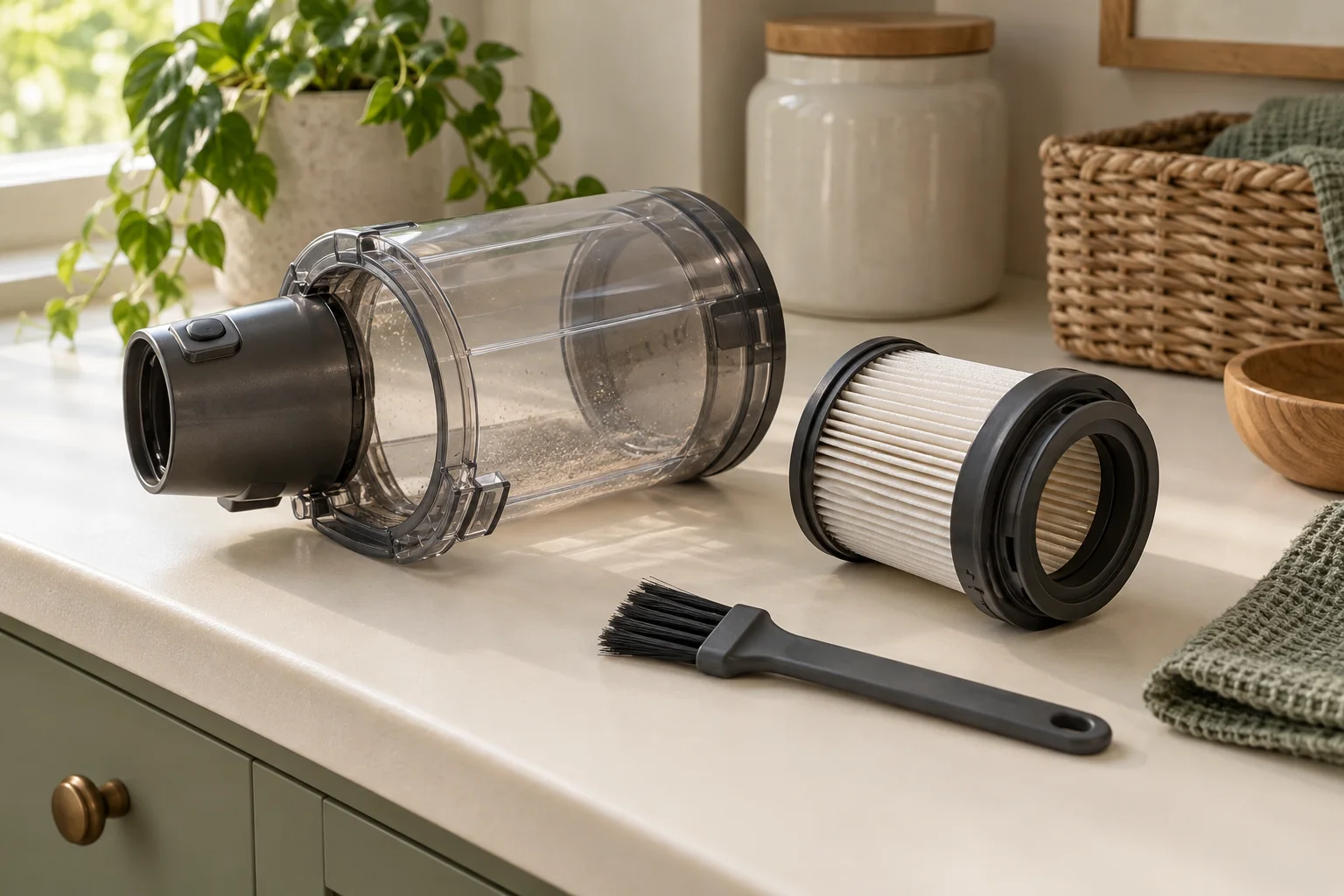
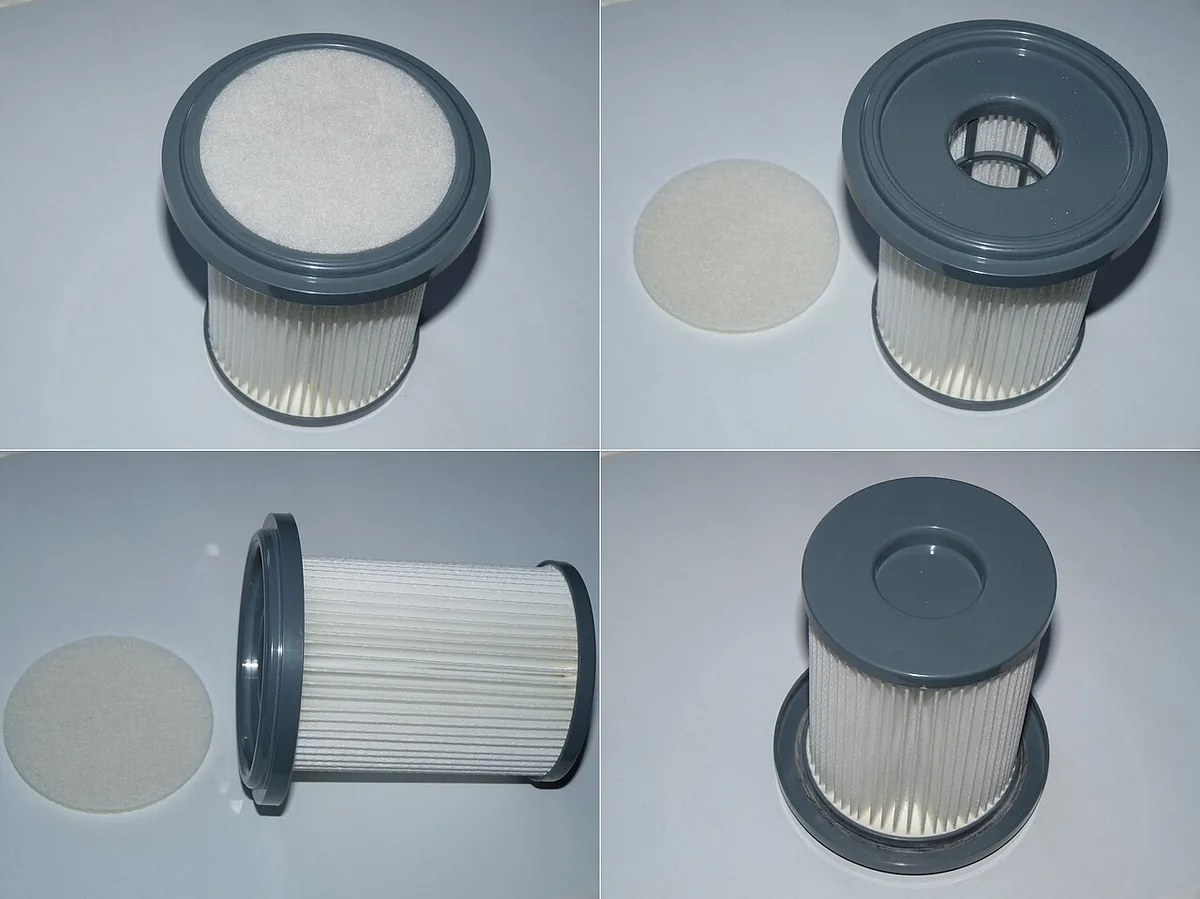
A single appliance can contain more than one filter or use several attachments. Name the position and function before searching. The pleated filter photograph shows a particular frame and medium, but its shape alone does not prove that it fits your cleaner. Dimensions can help expose a mismatch, yet matching dimensions do not establish full compatibility.
Compare the part number, supported model list and any revision information supplied by the manufacturer. If a seller provides only a broad brand name, treat that as insufficient evidence. Do not assume that a title containing several popular models is a complete compatibility statement. Save the exact page or document you used for the match.
Compare complete delivered quantities
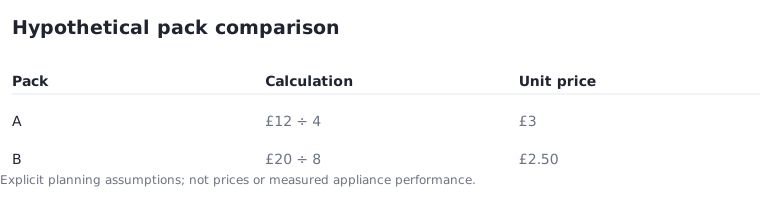
A cheap-looking packet can contain fewer items than another listing. In a hypothetical comparison, pack A contains four bags for £12 and pack B contains eight bags for £20. The assumed unit costs are £3 and £2.50 respectively, before any delivery charge. The lower unit price matters only after compatibility has been established.
Add necessary filters or accessories only if they are actually required for the comparison. A bundle with spare parts you cannot use is not automatically better value. Record the quantity, total delivered price and the items you expect to consume. Avoid buying a large stock merely to reduce the unit price if you are uncertain how long you will keep the appliance.
Keep washing and replacement instructions separate
Ordering a spare does not change the care requirements for the original part. Dyson's filter guide, for the applicable washable filters, requires complete drying after washing. A new or spare component should still be checked against its own fitting instructions. Do not install a wet part because the replacement order has not arrived.
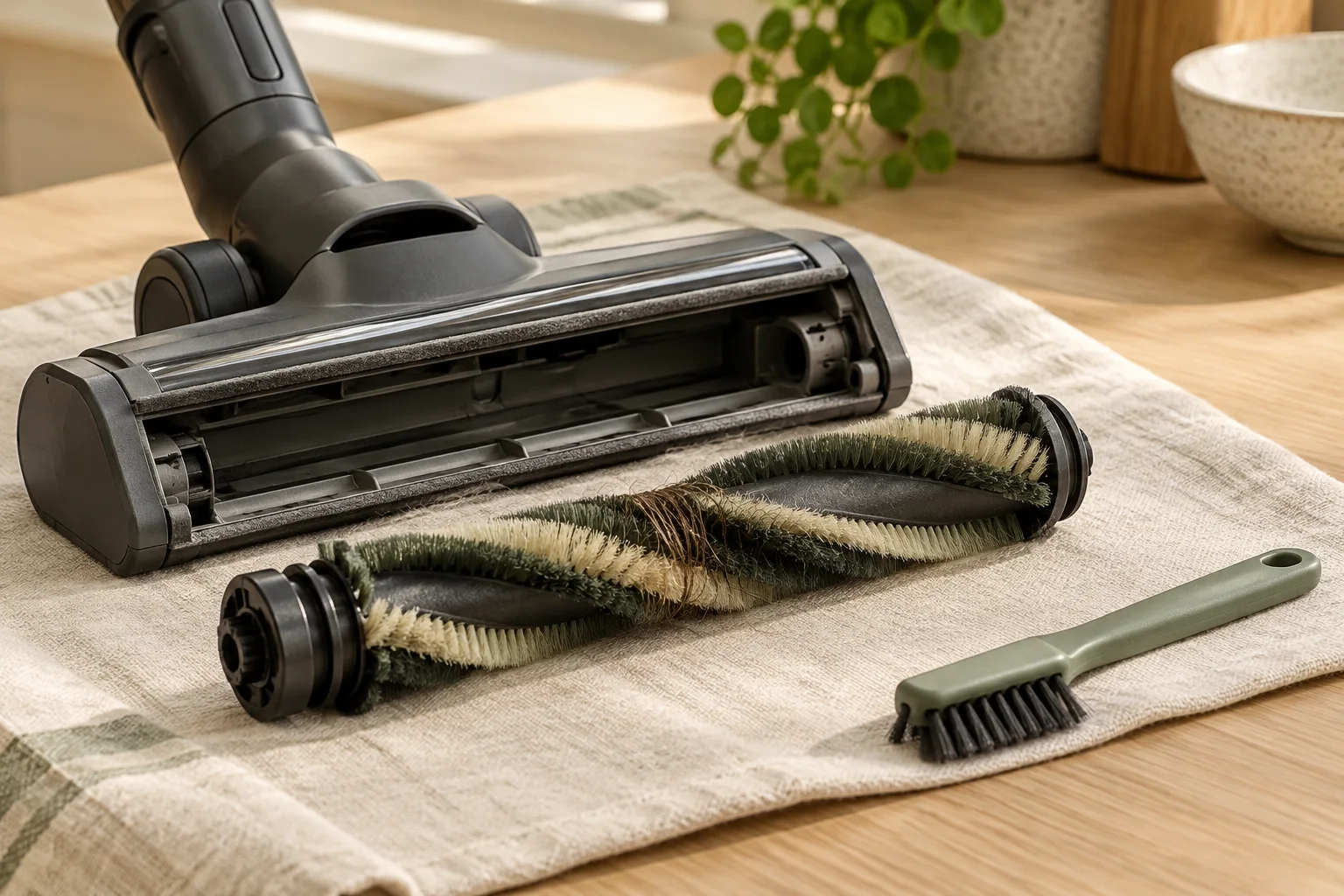
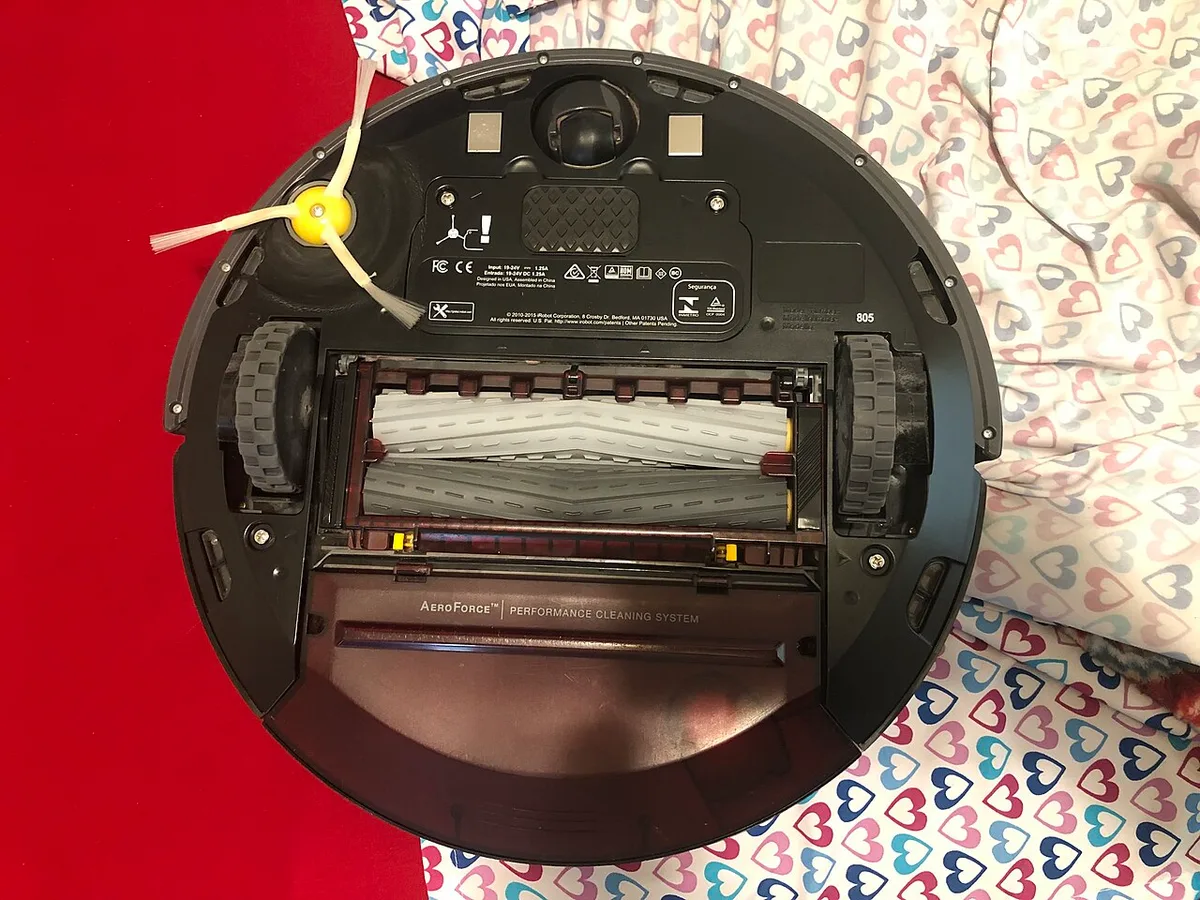
For a brush or floor head, also check the owner's refitting procedure. The historical robot underside illustrates that several components can occupy a small area. An incorrect part can appear close enough in a photograph while failing the intended connection. Stop if the documented fitting sequence does not work; force is not evidence of compatibility.
Store a compact parts record
Keep one note containing the appliance model, confirmed part number, source link and purchase date. Add a photo of the packaging after delivery. This makes a later reorder easier and helps distinguish a supplier's listing error from a mistaken model choice.
If the assumed four-bag pack lasts 8 months in your own observation, annualising that historical use gives six bags per year. At the assumed £3 unit price, the planning allowance would be £18. That is a personal estimate, not a universal replacement schedule. Update it when your usage changes, and keep manufacturer care requirements separate from the cost forecast.